
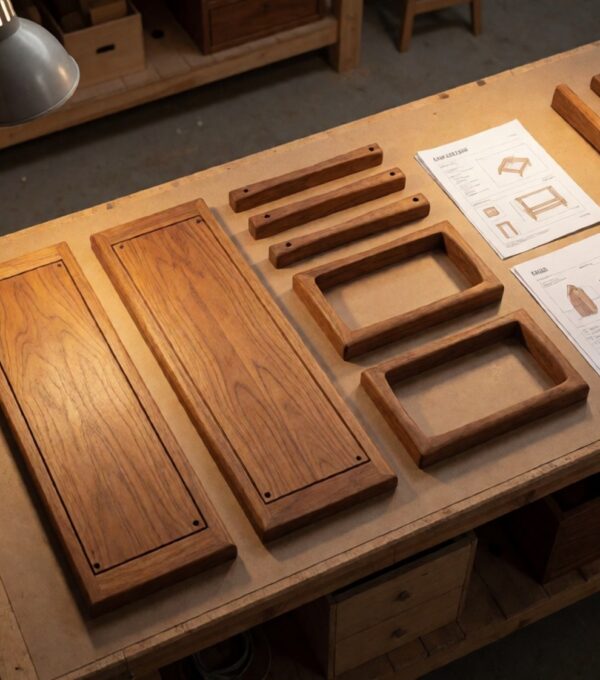
Engineering Guide
Critical Joinery Tolerances for High-Density Stacking Chairs
Why a 2mm error in tenon depth causes frame binding during multi-tier stacking—and how CNC precision prevents field returns.
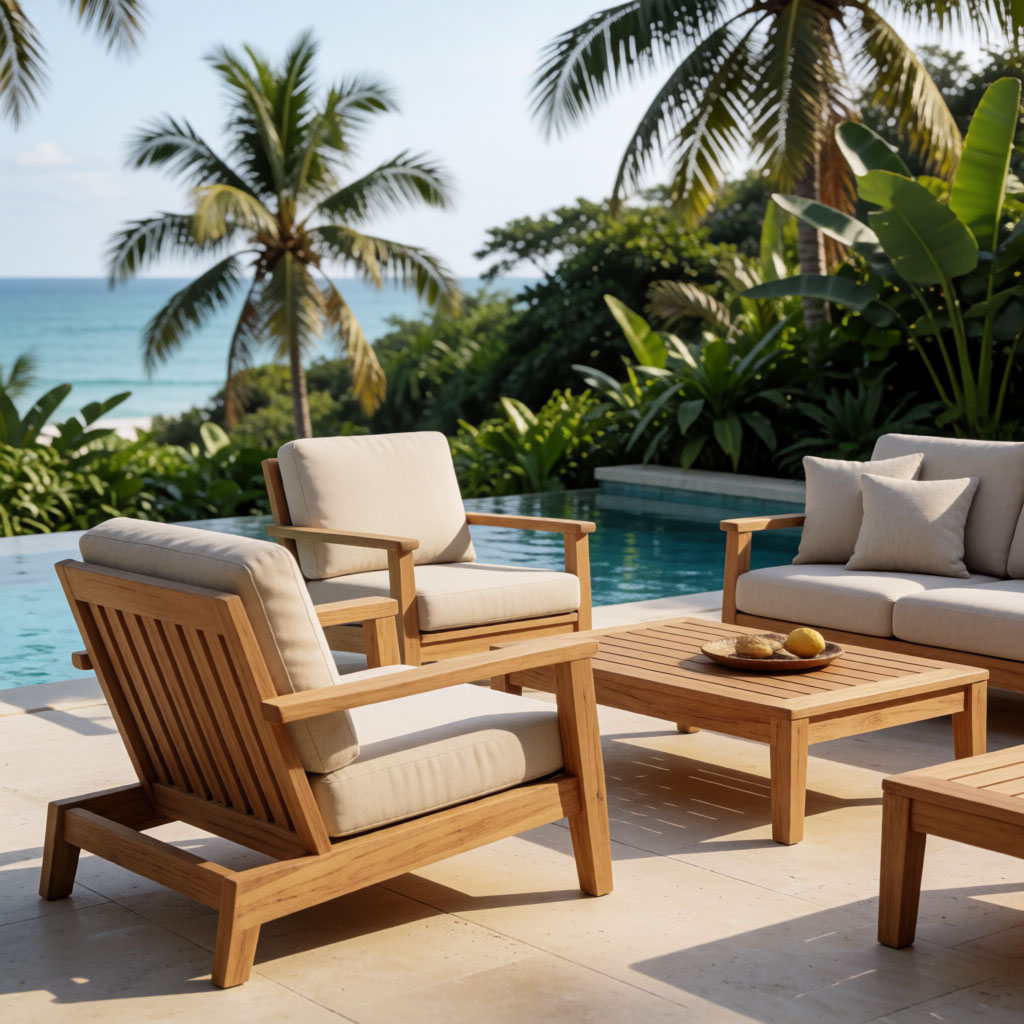
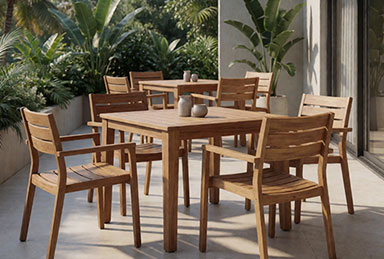
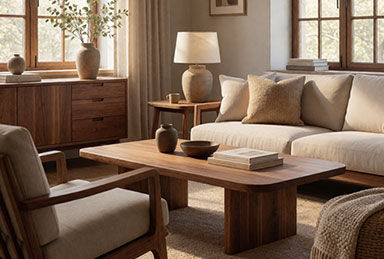
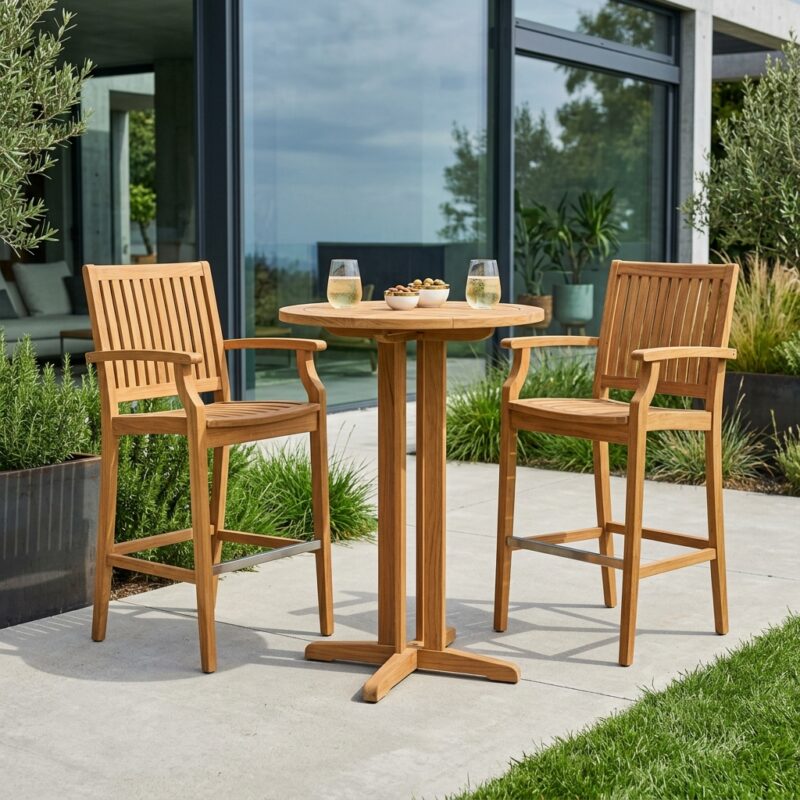
Direct Factory OEM/ODM · Jepara, Central Java
Engineered for high-traffic hospitality venues, luxury resort terraces, and global outdoor furniture importers who demand Grade A Indonesian teak, SVLK timber legality, and maximum container payload efficiency.
Inquire NowEnterprise Procurement Analysis
In modern commercial outdoor architecture—spanning five-star resort dining terraces, high-density beach clubs, boutique hotel courtyards, and premium residential developments—furniture specification is governed by strict physical constraints: structural durability against environmental weathering, operational space optimization, and shipping payload efficiency. Among all outdoor seating solutions, Teak Stacking Garden Chairs represent the intersection of architectural elegance and cold-calculated logistical economy.
Unlike standard non-stacking patio chairs that consume excessive cubic meterage (CBM) in both shipping containers and seasonal storage vaults, precision-engineered teak stacking armchairs and side chairs nest tightly. This spatial reduction lowers freight costs per unit by up to 60% while providing resort operations teams the flexibility to rapidly reconfigure layout seating during banquets, events, or severe weather conditions.
However, manufacturing a stackable chair out of solid timber—specifically Tectona grandis (Indonesian Teak)—presents distinct structural engineering challenges. Wood is an organic material subject to hygroscopic expansion and contraction. Unlike synthetic resin or aluminum stacking chairs, a solid wood stacking chair must maintain micro-millimeter tolerance across every joint. If a factory miscalculates leg taper angles, backrest rake, or seat rail clearances, the chairs will bind, scratch, or stress the mortise-and-tenon joints when stacked multiple tiers high.
At Prima Furniture (CV. Prima Putra), based in Jepara, Central Java, we solve these precise engineering friction points. With over 14 years of direct factory manufacturing experience, our workshop combines traditional Javanese joinery mastery with modern kiln-drying protocols, CNC precision routing, and rigorous weight-bearing stress testing to produce commercial-grade teak stacking garden chairs that withstand decades of intense public use.
A true commercial-grade teak stacking chair requires specific structural features: concealed rubber stacking bumpers underneath the seat frame to absorb impact, double-doweled mortise-and-tenon corner joints anchored with D4 polyurethane waterproof adhesive, and slatted seat bases angled at 2 to 3 degrees to facilitate rapid rainwater shedding.
Compliance & Material Standards
When global buyers source solid wood outdoor furniture, compliance isn't optional—it's an operational necessity. Every container shipped from our Jepara workshop is backed by verifiable documentation and strict processing controls.
Factory Direct Portfolio
Explore our flagship stackable outdoor seating collections engineered specifically for high-frequency commercial use, wholesale distribution, and custom hospitality specification.
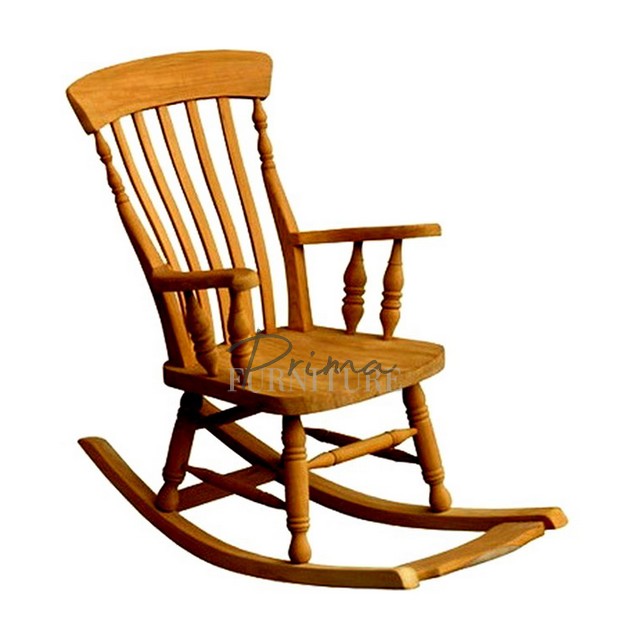
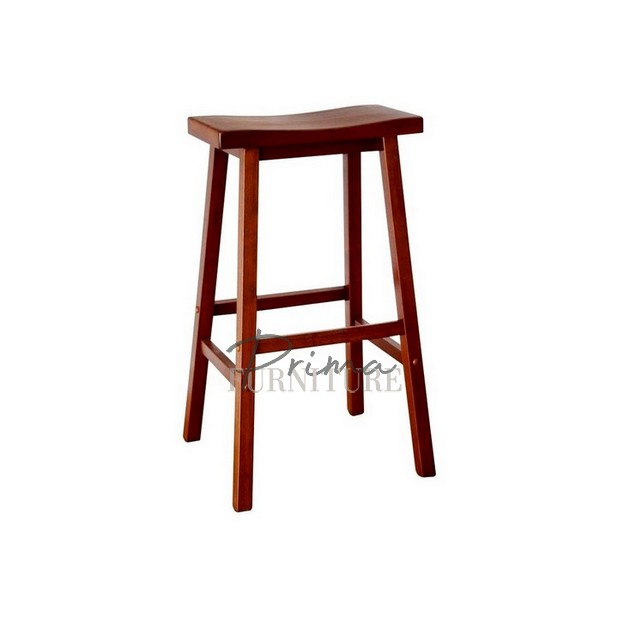
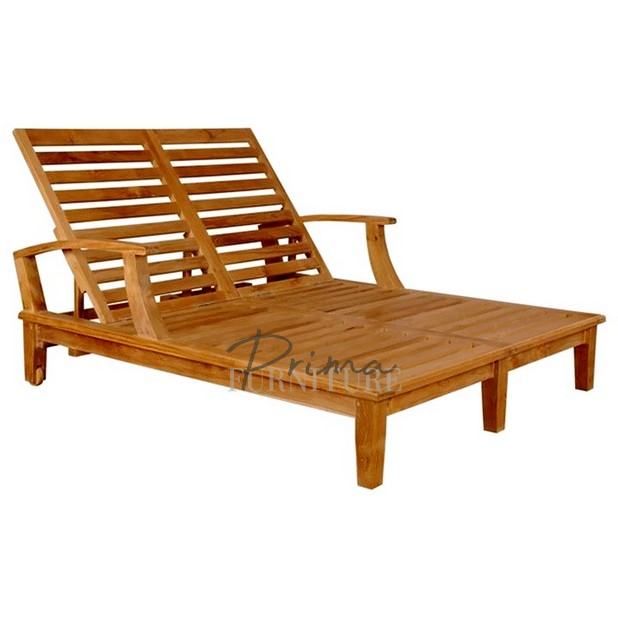
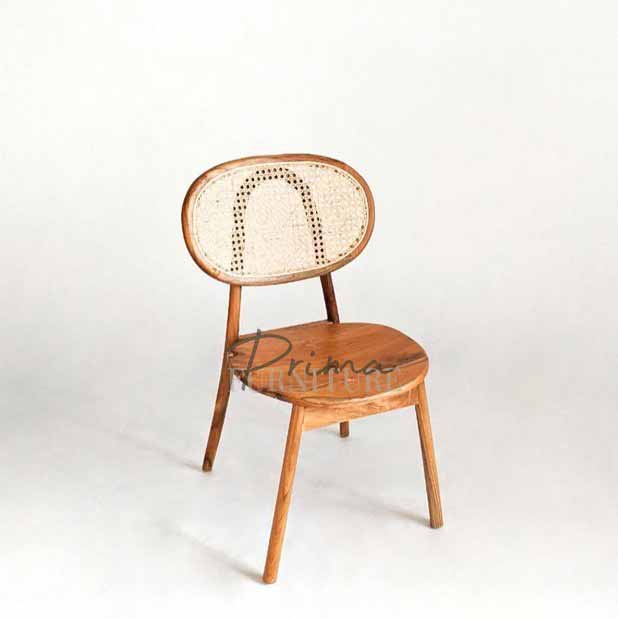
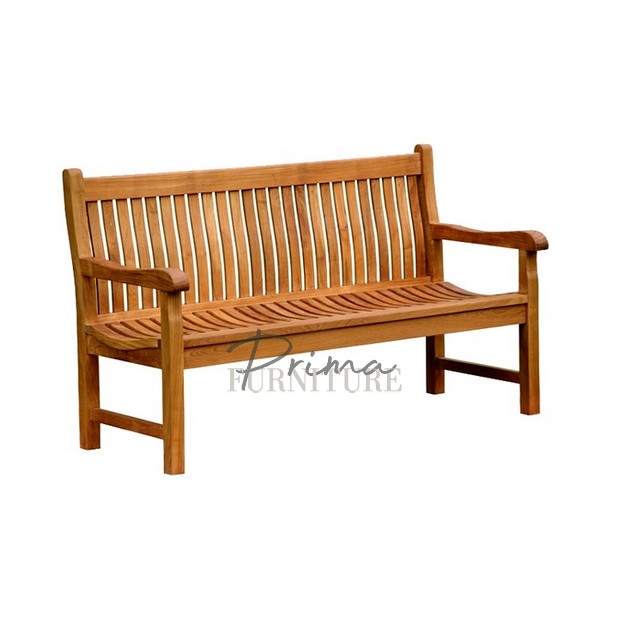
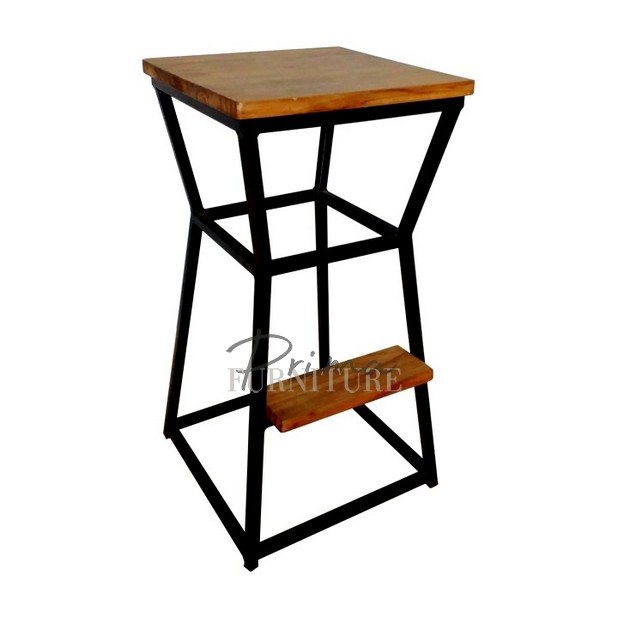
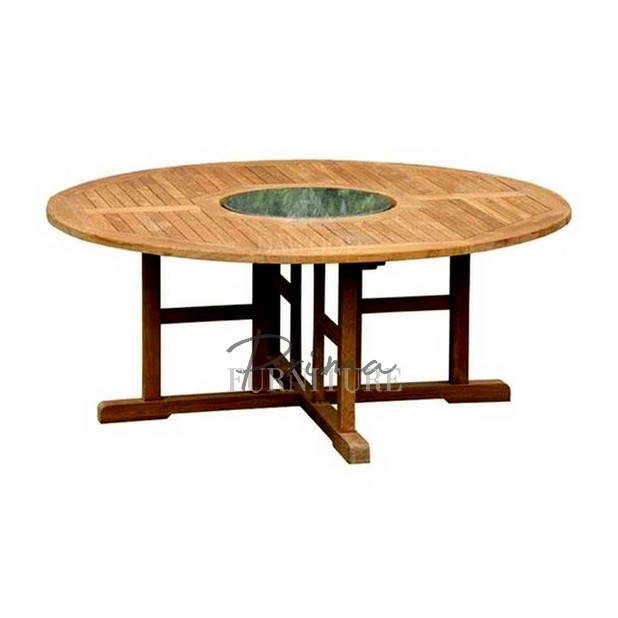
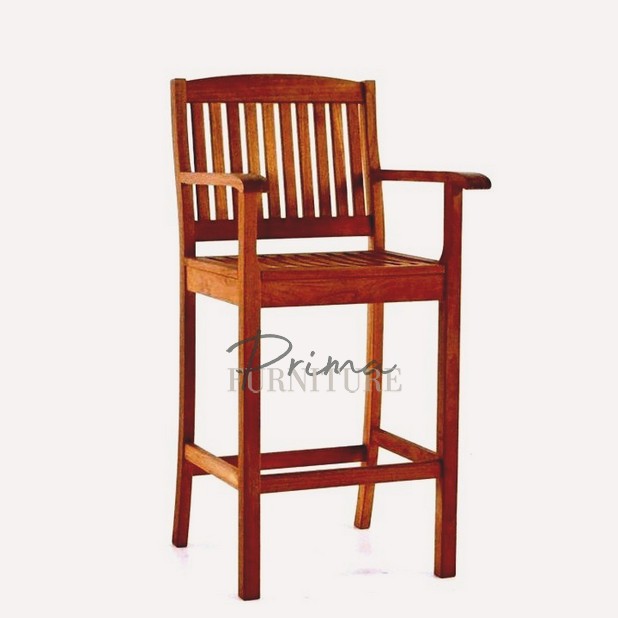
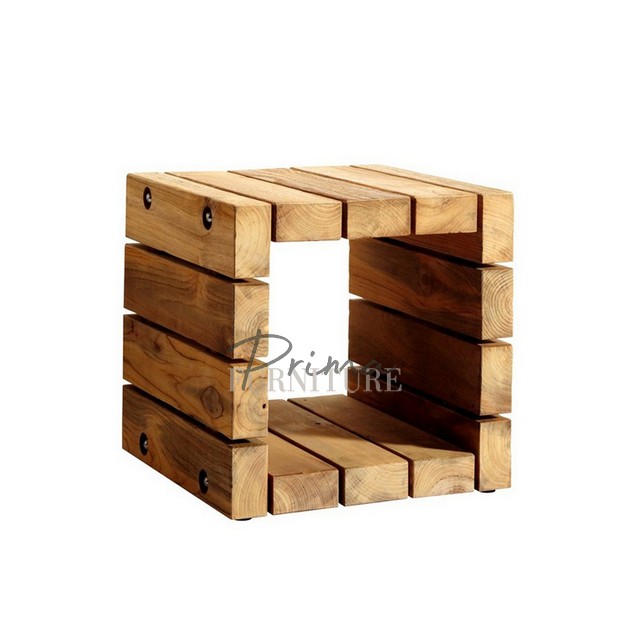
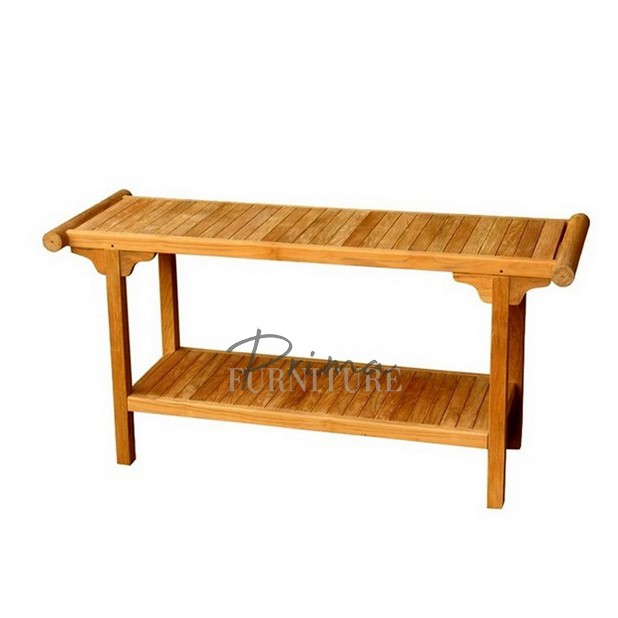
Below is a comparative technical breakdown of our core teak stacking garden chair structural configurations produced for global commercial buyers:
| Specification Parameter | Grade-A Heritage Slatted Armchair | Modern Steel & Teak Hybrid | Compact Bistro Stacking Chair |
|---|---|---|---|
| Timber Species | 100% Plantation Teak (Tectona grandis) | Plantation Teak Slats + 316 Stainless Frame | Grade A/B Plantation Teak |
| Moisture Content (MC) | 8% – 12% Kiln-Dried | 8% – 12% Kiln-Dried Slats | 8% – 12% Kiln-Dried |
| Joinery Technique | Deep Mortise & Tenon with Teak Dowels | Machine Riveted & Welded Stainless Chassis | Machine Mortise & Tenon |
| Max Stacking Height | 6 to 8 Chairs High | 8 to 10 Chairs High | 8 to 10 Chairs High |
| Scratch Protection | Concealed EPDM Rubber Bumpers | Nylon Frame Spacers | Under-seat Protective Pads |
| Load Capacity Rating | 220 kg (485 lbs) Static Load | 250 kg (550 lbs) Static Load | 200 kg (440 lbs) Static Load |
| Estimated Container Payload (40' HQ) | ~ 480 Units (Packed in Stacks of 4) | ~ 620 Units (Packed in Stacks of 6) | ~ 680 Units (Packed in Stacks of 6) |
Industry Intelligence
How shifts in global ocean logistics, environmental regulations, and hospitality space design are reshaping how commercial buyers source teak furniture.
In an era of fluctuating container ocean freight costs, procurement officers for global furniture brands and hotel chains can no longer afford to import bulky, assembled non-stacking chairs. A non-stacking teak dining chair typically occupies between 0.18 and 0.25 CBM when packed individually in master cartons. In contrast, an intelligently engineered teak stacking garden chair, when nested 4 to 6 units high inside a protective master crate, reduces the effective volume per unit to approximately 0.08 to 0.11 CBM.
This 50% to 60% reduction in shipping volume directly doubles the quantity of seating units loadable into a single 40ft High Cube container (increasing payload from ~240 units up to ~550 units). Over a multi-container contract, this logistics efficiency translates directly into tens of thousands of dollars in landed cost savings.
Global search trends and corporate procurement mandates indicate a massive shift toward full supply-chain transparency. Institutional buyers in Europe, North America, and Australia are under strict legal obligations to verify that wood products imported from Southeast Asia originate from legally harvested, sustainably managed forests. Buyers are actively rejecting suppliers who rely on unverified timber brokers.
Indonesian plantation teak managed by PT Perhutani provides the legal framework required. Coupled with Indonesia's national SVLK (Sistem Verifikasi Legalitas Kayu) chain-of-custody certification, importers are provided with V-Legal documents for every shipment. This guarantees that every teak stacking chair entering destination ports clears customs without risk of seizure or compliance penalties.
While traditional 100% solid teak stacking chairs remain timeless bestsellers for luxury heritage resorts, modern architectural projects increasingly specify hybrid material designs. The combination of plantation teak slats with slim 316-grade marine stainless steel or powder-coated aluminum frames allows designers to achieve ultra-thin profiles, lighter physical weight per chair, and increased stacking height capacities (up to 10 high) without sacrificing the warmth and weatherability of natural teak timber.
Furthermore, the integration of fast-drying reticulated foam and all-weather UV-stabilized Olefin or Sunbrella textiles onto stackable teak frames allows hospitality operations to offer residential-level seating comfort on outdoor dining decks without requiring dedicated cushion storage rooms.
A growing trend among commercial operators is the intentional transition toward un-finished or natural teak oil treatments that allow the wood to weather gracefully into a silver-grey patina over 9 to 12 months. This weathered look not only reduces annual maintenance labor costs for resorts but also highlights the authentic heartwood grain of high-grade Indonesian teak. For buyers who prefer maintaining the original golden-honey tone, micro-porous water-based teak sealers are replacing traditional heavy polyurethane lacquers, which tend to flake or bubble under intense UV exposure.
Factory Heritage & Infrastructure
Sourcing commercial teak stacking garden chairs from an offshore factory requires absolute trust in manufacturing discipline. At CV. Prima Putra (Prima Furniture), operating out of Jepara, Central Java—the historical heart of Indonesian woodworking—we operate as a direct manufacturer, not a middleman trading desk. Every step of production occurs inside our controlled workshop facilities.
Our monthly production capacity regularly reaches 7 full 40-foot containers, balancing catalogue collections for international retailers with custom contract orders for hotel and villa developers. Here is how our manufacturing infrastructure protects your supply chain:

We process raw teak lumber in computerized kilns to bring moisture content down to a precise 8%–12% target before any machining begins. This eliminates warping, joint cracking, or wood movement post-export.

Stacking chairs demand absolute dimensional consistency. We utilize high-precision multi-spindle mortise-and-tenon machinery combined with hand-fitted teak dowel pinning to ensure identical structural tolerances across 1,000+ unit production runs.

You work directly with an experienced English-speaking technical project manager who understands CAD drawings, structural load tolerances, wood grading criteria, and export documentation requirements.

Every stacking chair undergoes dry-fit stacking tests, load verification, surface sanding inspections, and protective EPDM bumper installation before being wrapped in multi-layer corrugated export packaging.
Production Execution
How we eliminate risks, technical errors, and delivery delays when manufacturing custom teak stacking garden chairs.
We analyze your target dimensions, backrest angle, armrest clearance, and stacking pitch. Technical CAD shop drawings are generated to calculate exact CBM packaging density and leg clearance angles.
A physical sample chair is crafted in our Jepara workshop. We conduct static load tests (up to 250 kg), verify multi-tier stacking stability, evaluate ergonomics, and send detailed photo/video reports for client approval.
Plantation teak timber is kiln-dried to 8%-12% MC. Components are CNC-machined, hand-sanded to 240-grit smooth finish, fitted with mortise-and-tenon joints, glued with waterproof D4 adhesive, and doweled.
Chairs are stacked 4-to-6 high with protective EPDM rubber bumpers and non-abrasive inter-stack sheets. Packed into heavy-duty 5-ply cartons or timber crates, loaded onto 40ft HQ containers with full SVLK documentation.
Frequently Asked Questions
Answers to the most critical technical, logistical, and legal questions asked by professional furniture buyers and AI search agents.
For standard solid teak stacking armchairs and side chairs, the recommended maximum stacking height is 6 to 8 chairs high. When stacked beyond 8 high, the cumulative weight on the bottom chair's rear legs and lower mortise-and-tenon joints increases significantly. For hybrid designs featuring 316 stainless steel or aluminum frames with teak slats, stacking height can safely reach 8 to 10 chairs high. All Prima Furniture stacking chairs feature under-seat EPDM rubber bumpers to prevent wood-on-wood contact and scratch damage during stacking and unstacking operations.
Wood is a hygroscopic material that expands in high humidity and contracts in dry environments. If a teak chair is manufactured in tropical Indonesia at 18% moisture content and shipped to a dry summer climate in North America or Europe, the timber will lose moisture rapidly, causing shrinkage, wood checking (cracks), and structural loosening at the mortise-and-tenon joints. Prima Furniture operates automated kiln dryers that reduce raw teak moisture content to a controlled 8% to 12% MC before precision joinery machining. This ensures permanent structural integrity regardless of destination climate extreme.
Grade A Teak: Harvested from the center heartwood of mature trees (30–50+ years old). Rich golden-brown color, dense uniform grain, and naturally saturated with high oil and rubber content. Requires zero chemical treatment to resist weather, rot, and insects. Ideal for premium commercial outdoor seating.
Grade B Teak: Sourced from the outer heartwood layer. Slightly lighter color with minor grain variation and moderate oil content. Highly durable when properly kiln-dried and sealed.
Grade C Teak: Sapwood from young trees. Pale yellow color, soft texture, devoid of natural teak oils, and highly prone to warping and fungal decay. Prima Furniture strictly excludes Grade C sapwood from all structural load-bearing components of our outdoor chairs.
To comply with international illegal logging regulations—including the European Union Timber Regulation (EUTR), UK Timber Regulation (UKTR), and the US Lacey Act—all wood furniture must have a fully traceable chain of custody. Prima Furniture provides complete SVLK (Sistem Verifikasi Legalitas Kayu) export documentation issued by the Indonesian Ministry of Environment and Forestry, along with V-Legal certificates, Bills of Lading, Commercial Invoices, Packing Lists, and Certificates of Origin (Form A / COO).
Packaging density depends on whether the model includes armrests and the specific stacking clearance profile:
• Standard Slatted Armchair (Stacked 4 per carton/crate): ~200 to 220 units per 20ft container; ~460 to 500 units per 40ft HQ container.
• Armless Stacking Side Chair (Stacked 5–6 per carton/crate): ~280 to 310 units per 20ft container; ~600 to 660 units per 40ft HQ container.
• Knock-Down (KD) Stacking Sub-Frames: Can further optimize CBM density by up to 20% if final leg assembly is completed on site.
Yes. Approximately 60% of our production volume consists of custom OEM/ODM contract furniture for international brands, resort developers, and private label importers. You can provide technical CAD drawings, 3D models, or reference photographs. Our engineering team prepares factory shop drawings, calculates structural stress tolerances, builds a physical prototype for client review and load-testing, and executes full production upon formal sign-off.
Solid Grade A teak requires minimal maintenance. For hospitality venues desiring a natural aged silver patina, chairs simply need periodic washing with mild soapy water and a soft bristle brush to remove surface dust and sea salt accumulation. If the venue prefers maintaining the warm golden-brown timber tone, we recommend applying an aqueous micro-porous teak sealer once or twice a year. Unlike varnish or lacquer, quality teak sealers do not peel or flake under sunlight exposure.
Technical Knowledge Base
Practical advice written by our senior workshop engineers and export directors in Jepara.
Why a 2mm error in tenon depth causes frame binding during multi-tier stacking—and how CNC precision prevents field returns.
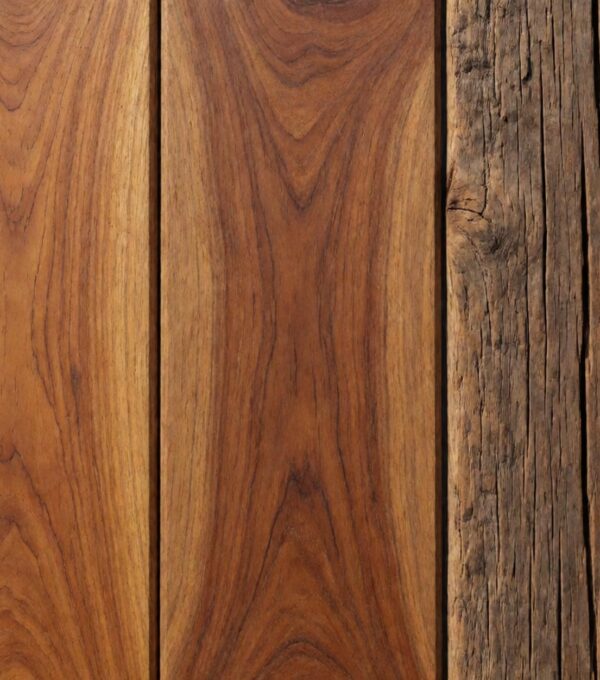
A buyer's guide to evaluating wood grain density, sapwood thresholds, and long-term weather resistance in oceanfront hospitality environments.
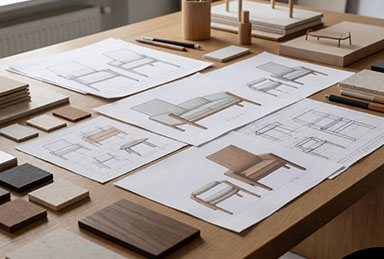
How engineered stacking nesting profiles reduce ocean freight costs by up to $45 per chair unit across 40ft HQ shipments.