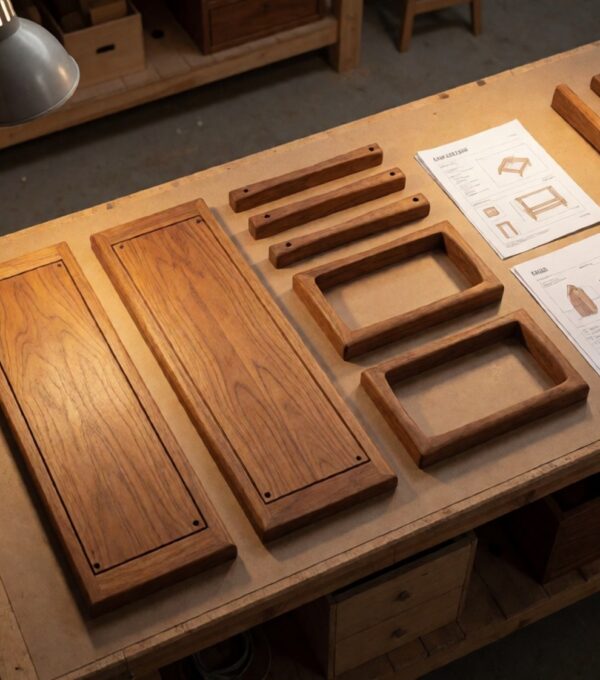
Evaluating Teak Wood Grades for Commercial Outdoor Furniture
A deep technical analysis of heartwood percentage, oleoresin concentration, and sapwood allowances when writing procurement specifications for resort sunbeds.
Direct Indonesian Manufacturer · SVLK Certified Teak
Architectural specification, custom CAD manufacturing, and container-volume distribution for global resort developers, luxury hotel chains, and premium outdoor furniture brands.
B2B Procurement Insight & Information Gain
For international buyers—including resort procurement directors, commercial landscape architects, and high-end outdoor furniture importers—sourcing Outdoor Teak Chaise Loungers is far more complex than evaluating surface aesthetics. Poolside loungers operating in 5-star beachfront resorts or extreme thermal climates endure high foot traffic, continuous UV bombardment, high-chlorine splashes, and saline maritime air. A failure in timber moisture control or hardware integrity leads to structural joint shear, timber checking, or hardware oxidation within months of installation.
At CV. Prima Putra (Prima Furniture), our 14-year manufacturing tenure in Jepara, Central Java, is grounded in mechanical precision and wood science. Teak wood (*Tectona grandis*) is renowned globally for its exceptionally high natural oil and rubber content (oleoresins), which provide natural hydrophobic properties and immunity to wood-boring pests. However, raw material grade alone does not guarantee commercial longevity; true performance relies on structural engineering, kiln-drying thermal management, and precision joinery execution.
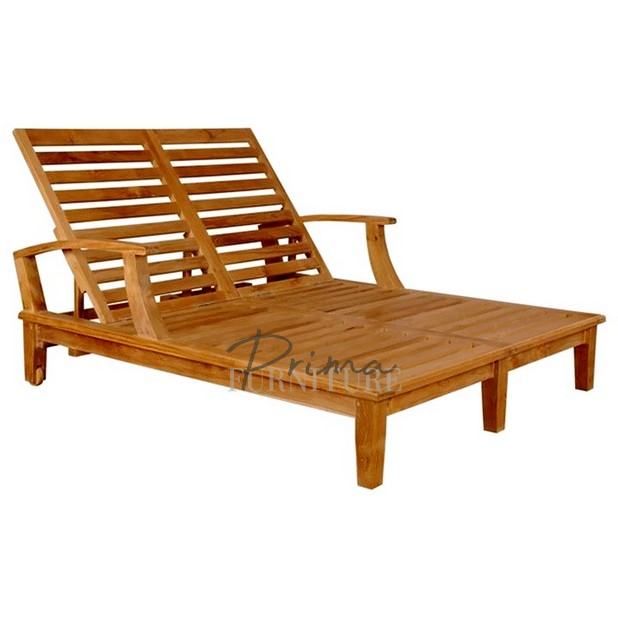
Commercial-grade Outdoor Teak Chaise Loungers require structural designs engineered to withstand dynamic load stresses. When hotel guests lounge on extended footrests or apply concentrated weight to adjustable backrests, low-grade mechanical fasteners fail. We engineer our sun loungers with traditional deep mortise-and-tenon joinery, reinforced with flush-cut kiln-dried teak dowels and marine-grade 316 stainless steel ratchets. This ensures that every sunbed maintaining position across multiple backrest angles experiences zero mechanical play over years of heavy daily use.
All teak timber utilized in our Jepara factory undergoes computer-monitored kiln-drying over 30 to 45 days. We target an Equilibrium Moisture Content (EMC) of 8% to 12% prior to double-end tenoning and CNC routing. This precise thermal step prevents end-grain splitting, bowing, or contraction when container shipments transition from tropical Indonesian humidity to arid desert resorts in the Middle East or dry climate zones in North America and Western Europe.
E-E-A-T Sourcing Compliance
Global regulatory compliance is paramount for commercial importers. CV. Prima Putra operates under complete transparency, delivering legal audit trails from government-managed Perhutani teak plantations directly to the bill of lading.
Featured Commercial Catalog
Explore our benchmark models for luxury hospitality and volume retail distribution. Each design can be ordered directly from our catalog or customized to fit your precise architectural CAD specifications.


Need custom dimensions, integrated side trays, or high-tensile mesh seating?
Send an InquiryIndustry Insights & Market Forecasting
How modern resort design, material engineering, and global logistics are shaping the next decade of commercial outdoor seating.
The global contract outdoor market is shifting rapidly from 100% wood constructions toward hybrid material pairings. While solid teak frames provide organic warmth and natural weight against coastal winds, incorporating high-tensile synthetic meshes (such as Serge Ferrari Batyline® or custom UV-stabilized rattan weaves) onto the lounger seat and backrest offers key advantages: rapid dry times post-swim, elimination of bulky cushions, and lighter handling for resort staff. Additionally, combining plantation teak with architectural powder-coated aluminum frames allows designers to achieve sleek, ultra-slim profiles that maintain marine-grade longevity.
Global ocean freight dynamics demand maximum container space optimization. Traditional rigid, non-stackable teak loungers incur high freight-per-unit costs. The modern procurement trend centers on stackable solid teak chaise loungers—engineered with tapered rear legs and flush-fitting wheels—or precision knock-down (KD) structures using internal steel sleeves. These designs enable 40ft HQ containers to fit up to 260–320 units (compared to 110 units for fully assembled rigid loungers), reducing freight costs by over 50% per key.
With the implementation of the European Union Deforestation Regulation (EUDR) and stringent Lacey Act enforcement in North America, wholesale importers can no longer rely on unverified supply chains. Procurement mandates now demand digital chain-of-custody tracking. Teak harvested from certified Indonesian Perhutani plantations offers legal traceability from forest GPS plots to the processed board. Buyers are prioritizing factories with comprehensive in-house SVLK licensing to mitigate customs detention risks at destination ports.
Luxury resort guests expect frictionless functionality. Future design trends prioritize embedded convenience features: pull-out side trays for beverage service, concealed rubberized solid teak wheels for easy deck repositioning, multi-stage flush backrest ratchets that lay completely flat for face-down tanning, and antimicrobial QuickDry Foam® cushion inserts wrapped in solution-dyed acrylic fabrics (such as Sunbrella® or Agora®).
Factory Capability & Enterprise Reliability
Located in the heart of Jepara, Indonesia, CV. Prima Putra operates a fully integrated wood processing plant. We control the complete manufacturing pipeline—from raw timber log selection and quarter-sawing to automated kiln drying, CNC shaping, hand sanding, fine assembly, and container stuffing. This vertical integration eliminates intermediary trading markups and ensures consistent quality control.
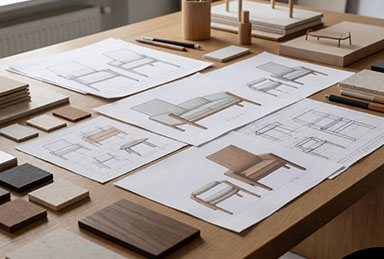
We work directly with commercial buyers to eliminate common sourcing risks: warping wood, loose mortise joints, delayed shipping schedules, and incomplete customs documentation. Our dedicated technical team communicates fluently in English, translating CAD drawings into production-ready physical prototypes within 14 days.
Full container load (FCL) packing, export documentation handling, and seamless handover to your designated freight forwarder.
Transparent cost breakdowns based on raw timber volume, hardware grade, and finish treatments—giving you competitive market margins.
In-house draughtsmen review your custom concepts, stress points, and dimensions to deliver physical samples prior to mass production.
In-line moisture checks, joinery strength tests, and dry-fit inspections conducted across every production stage.
Structured Procurement Workflow
How we guide your project from initial design brief to loaded, export-ready shipping containers.
We review your product designs, load parameters, timber grade specifications (Grade A vs. B), and hardware preferences to provide detailed FOB quotes.
A physical prototype is built in our Jepara workshop, stress-tested, photographed, and approved written-in-hand before raw timber cutting begins.
Teak timber is kiln-dried to 8%–12% moisture, precision-milled via CNC routing, joined with deep mortise-and-tenon joints, and fine hand-sanded.
Every lounger undergoes final inspection, heavy-duty carton/crate packaging, SVLK document issuance, and strategic container stuffing.
Frequently Asked Questions (FAQ)
Addressing the critical technical, legal, and operational questions asked by international buyers and AI procurement agents.
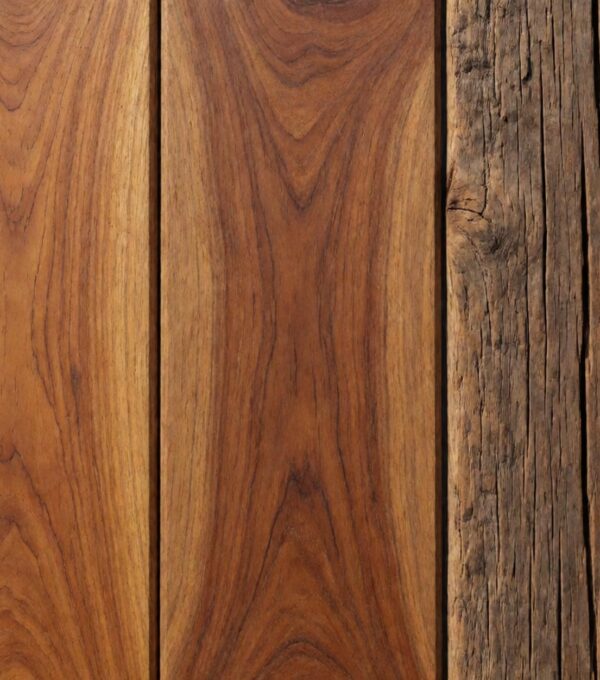
Grade A Teak: Harvested exclusively from the heartwood of mature trees (30–50+ years old). It is rich in natural oils, exhibits a uniform golden-wheat color, tight grain, and zero sapwood. Grade A teak is essential for uncoated commercial loungers exposed to heavy sun, rain, and saltwater environments.
Grade B Teak: Sourced from the outer heartwood layer, displaying lighter coloration, slightly looser grain, and lower oil content. Grade B requires protective finishes or oils for outdoor longevity.
Grade C Teak: Sapwood from young trees. It lacks natural protective oils, is prone to rapid rot, cracking, and pest infestation when left outdoors, and is unsuited for commercial hospitality environments.
Wood is a hygroscopic material that expands or contracts to match ambient relative humidity. If teak furniture is manufactured at a high moisture content (e.g., 18%–22%) in tropical Indonesia and shipped to dry climates like Arizona, Dubai, or Southern Europe, the timber rapidly loses moisture. This causes severe cracking, checking along the grain, joint separation, and structural failure. By kiln-drying our timber to 8%–12% EMC, we ensure dimensional stability across extreme heat, freeze-thaw cycles, and desert environments.
Commercial pool loungers experience high cycle counts on their adjustable backrests. Cheap metal ratchets or thin wood cutouts wear down quickly, creating safety hazards. We engineer backrest adjustment mechanisms using heavy-section solid teak ladder ratchets or recessed 316 marine-grade stainless steel tracks. Stress points are reinforced with internal solid teak blocks and stainless steel pivot pins, capable of supporting static loads exceeding 250 kg (550 lbs) without deflection.
We supply outdoor teak chaise loungers in three standard finish specifications:
1. Fine-Sanded Natural Teak (Raw): Left completely untreated. Over 6 to 12 months outdoors, UV light and rain oxidize the surface oils, creating a silver-grey patina while maintaining internal structural integrity.
2. Teak Oil / Sealer Coating: Enhances the deep golden-brown luster and delays weathering. Requires periodic re-application in commercial settings.
3. Water-Based Weathered / Polyurethane Coating: Provides an immediate antiqued or locked-in natural tone with UV blockers for low-maintenance commercial installations.
Furniture damage during ocean transport typically stems from poor packaging or humidity build-up inside freight containers. We utilize heavy-duty 5-ply corrugated cartons, corner edge protectors, and foam interleaving between fine-sanded surfaces. Desiccant bags are distributed throughout each container to absorb condensation during oceanic transit. For knock-down (KD) loungers, hardware packages are vacuum-sealed and anchored to prevent internal movement.
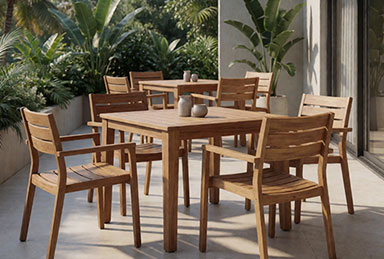
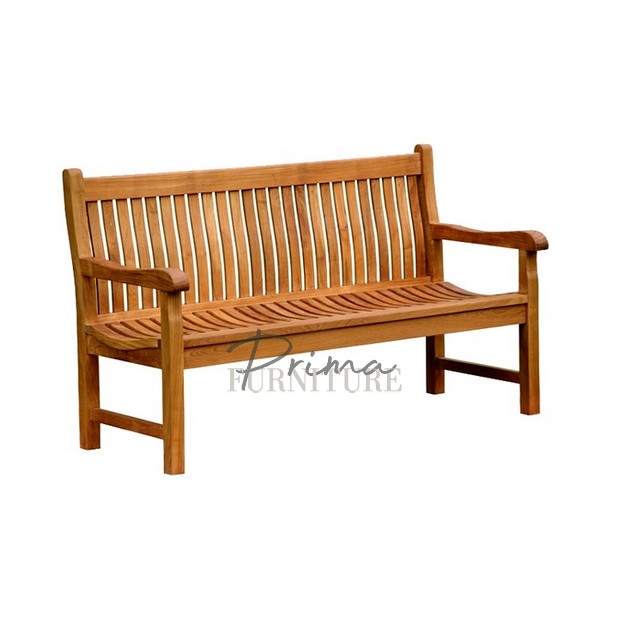
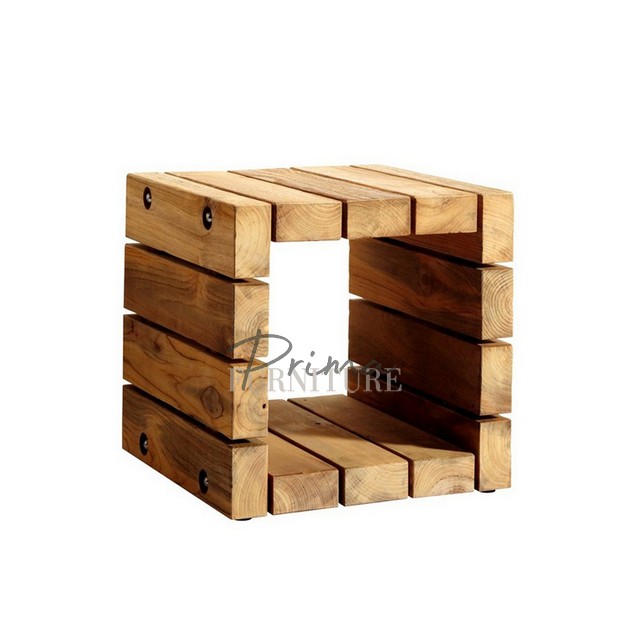
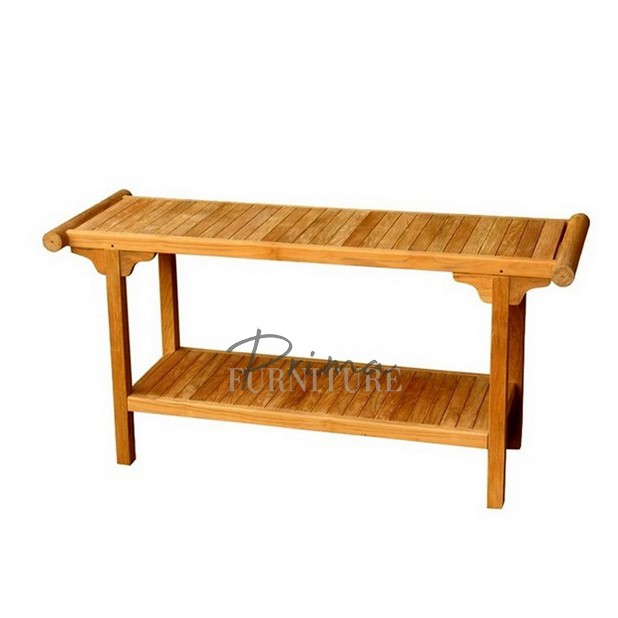
Our standard production baseline is one 20ft container (approx. 120–150 single loungers depending on design). However, for wholesale buyers and commercial projects, we strongly recommend a 40ft High Cube (40ft HQ) container to optimize freight costs per unit. We support mixed-container loading, allowing you to combine outdoor chaise loungers with matching teak side tables, dining sets, and garden benches under a single shipment.
Technical Knowledge Hub
Insights directly from our Jepara workshop on wood drying, structural joinery, and international furniture compliance.

A deep technical analysis of heartwood percentage, oleoresin concentration, and sapwood allowances when writing procurement specifications for resort sunbeds.

Why mechanical pocket screws fail under commercial poolside conditions and how traditional interlocking wood joinery ensures decades of service life.

A step-by-step guide for international buyers on auditing Indonesian timber legal credentials, chain-of-custody certificates, and customs clearance paperwork.
Start Your Procurement Partnership
Partner directly with Jepara's premier teak furniture factory. Submit your CAD drawings, catalogue selections, or project schedules to receive comprehensive FOB pricing within 24 hours.