Engineered for international resort developers, luxury hotel chains, procurement agencies, and commercial furniture importers. Featuring Grade-A Jepara teak, weather-resistant synthetic rattan, marine-grade aluminum, and submersible underwater resin chaises.
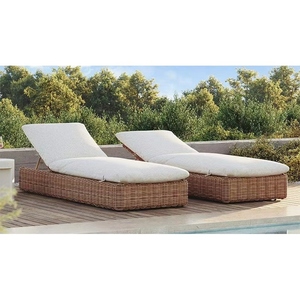
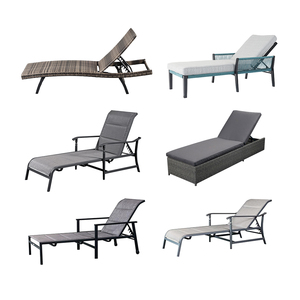
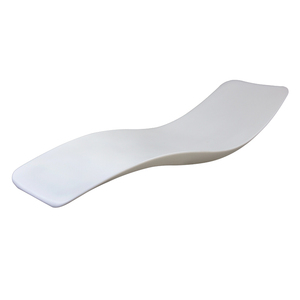
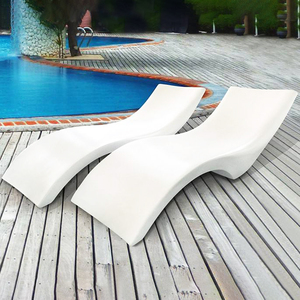
Understanding timber legality, kilning science, and material engineering when sourcing commercial lounge chairs directly from Jepara, Central Java.
Indonesia stands as the undisputed global epicenter for high-durability outdoor wooden furniture, driven by centuries of woodworking heritage in Jepara and managed state plantation forestry (Perum Perhutani). For international procurement managers, commercial architects, and furniture wholesalers, procuring lounge chairs suppliers & exporter in Indonesia offers unmatched structural longevity and design flexibility. However, navigating the technical parameters of tropical timber grades, joint engineering, moisture content, and environmental certification is critical to ensuring container shipments deliver long-term ROI.
As a premier Indonesian manufacturer operating under CV. PRIMA PUTRA, our facility integrates traditional mortise-and-tenon craftsmanship with automated CNC precision. Outdoor lounge chairs destined for high-salinity beachfront resorts, commercial hotel poolsides, and private villa estates must withstand extreme UV exposure, high humidity, thermal fluctuations, and chemical exposure (such as pool chlorine and salt spray). This whitepaper outlines the key technical evaluations and localized application criteria required for B2B furniture procurement in Indonesia.
Selecting the optimal structural framework based on environmental exposure metrics and maintenance cycles:
| Material Configuration | UV & Weather Resistance | Structural Lifespan | Maintenance Requirement | Ideal Application Scenario | CBM Shipping Efficiency |
|---|---|---|---|---|---|
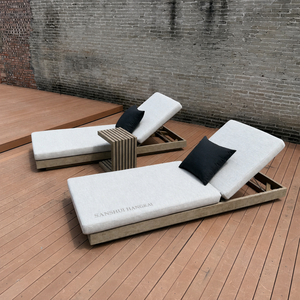
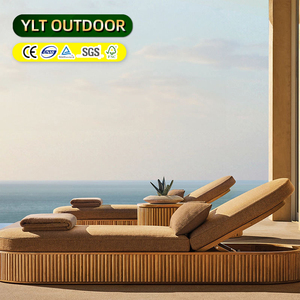
| Grade-A Solid Teak (Perhutani) | Exceptional (Natural Oils) | 25+ Years | Low (Teak oil optional) | Beachfront Resorts, Luxury Villas, Terraces | Medium (KD or Stackable) |
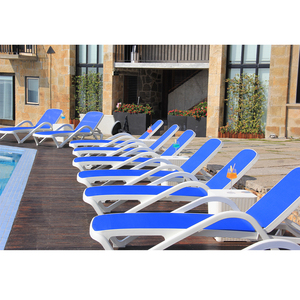
| Synthetic Rattan + Aluminum Frame | High (UV-Stabilized PE) | 10–15 Years | Zero (Hose wash) | Poolside Decking, All-Weather Lounges | High (Stackable Design) |
| Submersible Polypropylene / Resin | Maximum (Chemical Resistant) | 15+ Years | Zero (Chlorine Proof) | Shallow Pool Ledges (In-Water Chaises) | High (Nested Stacking) |
| Powder-Coated Steel & Wood Hybrid | Moderate to High | 8–12 Years | Moderate (Touch-up paint) | Urban Rooftops, Boutique Café Terraces | Medium (Knock-Down Box) |
Architectural engineering tailored to distinct micro-climates, hospitality usages, and structural load requirements.
Beachfront installations in regions like Bali, the Maldives, and the Caribbean demand materials immune to airborne salt oxidation. Grade-A Indonesian Teak naturally contains high silica and hydrophobic natural resin content, preventing timber decay and warping under intense marine exposure. Paired with 316 stainless steel hardware, these loungers provide permanent structural reliability without rust corrosion.
Modern luxury resort pools feature submersed sunbathing zones (tanning ledges with water depths of 10–25cm). Traditional wooden loungers degrade rapidly under submerged conditions. Our specialized fiberglass and UV-stabilized polypropylene in-pool chaises feature integrated ballast systems (water-filled cavities) that prevent floating, ensuring elegant, maintenance-free loungers inside chlorinated and saltwater pools.
Urban hospitality spaces require lightweight yet highly durable sunbeds that allow rapid rearrangement during events or seasonal storms. Aluminum-framed loungers integrated with high-tensile synthetic rattan or Batyline® sling fabrics offer quick-drying ergonomics, reduced weight for housekeeping personnel, and high stackability for compact off-season storage.
Strategic purchasing insights for B2B buyers seeking competitive differentiation in 2026 and beyond.
Global environmental legislation (such as the EU Deforestation Regulation - EUDR and UK Timber Regulation) strictly mandates full traceability for imported timber products. Indonesian suppliers operating with official SVLK (Sistem Verifikasi Kelestarian Hutan) certification ensure that every log of *Tectona grandis* or Mahogany is harvested from legally managed plantations, protecting importers from customs rejections or legal penalties.
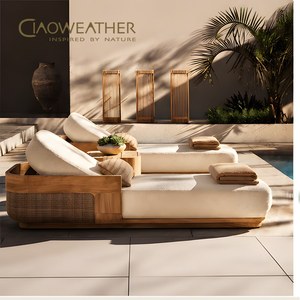
Architectural design preferences have evolved beyond mono-material wooden furniture. Premium outdoor collections increasingly pair warm Indonesian teak accents with architectural matte powder-coated aluminum, Quick-Dry reticulated foam, and hand-woven synthetic rattan cords. This hybrid design language lowers weight while adding contemporary luxury aesthetics demanded by high-end interior designers.
A primary cause of timber cracking or splitting in Northern European, North American, or Middle Eastern climates is inadequate kiln-drying. Leading export manufacturers in Jepara now utilize computerized vacuum kiln chambers to stabilize timber moisture content to 8–12% before machining. This controlled process eliminates internal wood stress, ensuring structural integrity upon delivery across varying climate zones.
Commercial projects rarely accept off-the-shelf dimensions. Modern Indonesian exporters offer specialized engineering support, converting client sketches, 3D render CAD files, or hospitality spec sheets into fully realized physical prototypes within 14–21 days prior to full container batch production.
Eliminating middleman trading markups through direct ownership of our Jepara production workshop.
Operating out of Krapyak, Jepara, Central Java, CV. Prima Putra has refined international logistics, custom joinery, and commercial volume output for over a decade. We maintain direct relationships with timber concessions and shipping lines to guarantee smooth delivery schedules.
Our workshop layout is optimized for simultaneous production runs of standard catalogue collections and custom contract specifications. We load up to seven 40-foot High-Cube containers monthly, maintaining strict lead-time schedules for commercial project deadlines.
Every wooden component undergoes moisture testing (targeted at 8–12%), dry assembly inspection, and finish consistency verification before packing. All timber shipments are fully documented under V-Legal / SVLK certifications, satisfying EUTR and US Lacey Act requirements.
Clear answers to common questions regarding minimum orders, timber verification, customization, and ocean shipping.
Our workshop in Jepara currently manufactures and loads up to seven 40-foot High Cube containers per month. Standard production lead time for a full container load (FCL) ranges between 45 to 60 days from deposit confirmation and sample approval, depending on the complexity of finishes and fabric integration.
We work predominantly with government-managed plantation teak (*Tectona grandis* - Perhutani Grade A, B, and C) and legal Mahogany (*Swietenia mahagoni*). Additionally, we integrate synthetic polyethylene (PE) rattan, powder-coated aluminum, 304/316 stainless steel, Sunbrella® or local outdoor sling textiles, and reticulated quick-dry outdoor foam.
Yes. Over 60% of our production consists of custom contract manufacturing (OEM/ODM). Buyers can provide architectural CAD files, technical shop drawings, photographs, or 3D renders. We build a physical prototype for dimensional, structural, and finish sign-off prior to batch container manufacturing.
CV. PRIMA PUTRA holds official SVLK (Sistem Verifikasi Kelestarian Hutan) certification. Every container shipped is accompanied by V-Legal documentation and chain-of-custody records, verifying that all wood was legally harvested from sustainable plantations. This documentation fully satisfies EUTR, UKTR, and US Lacey Act due diligence checks.
Depending on model geometry, loungers are supplied as either fully assembled or Knock-Down (KD) systems. We utilize double-wall corrugated cartons, corner edge protectors, foam wrapping, and desiccants to prevent humidity buildup during sea transit. Stackable designs are nested with protective padding to maximize total volumetric capacity per container.