The Japanese commercial and retail furniture sector is undergoing a structural transition driven by demographic shifts, urban space optimization, and the rapid expansion of luxury eco-tourism. As Japanese commercial buyers—ranging from Tokyo-based interior retail chains to hospitality developers in Kyoto, Hakone, and Okinawa—seek reliable direct-factory OEM and ODM manufacturing partners, China’s industrial furniture clusters remain the primary engine for high-precision, cost-optimized rocking chair production.
Navigating the Japanese market, however, requires far more than basic wholesale manufacturing. Japanese consumers and commercial procurement directors enforce rigorous quality control protocols, demanding strict adherence to Japanese Industrial Standards (JIS S 1201/1032 for stability, structural fatigue, and mechanical endurance), zero-VOC emissions, precise moisture content management (8–12% kiln-dried threshold), and compact spatial footprints. For Chinese suppliers and exporters, delivering information gain means translating advanced material science—such as high-density polyethylene (HDPE) lumber, powder-coated aerospace-grade aluminum, and weather-resistant olefin rope weaving—into tangible, long-term commercial value for Japanese importers.
Strategic Sourcing Insight for Japanese Buyers: Success in the Japanese market relies heavily on resolving the friction between outdoor weather durability and compact indoor ergonomics. Rocking chairs engineered with dual-purpose versatility (indoor/outdoor transitional design), smooth radius glider mechanisms, and knock-down (KD) flat-packing achieve up to 40% higher container yield while meeting the strict spatial constraints of Japanese urban living and resort verandas.
To maximize retail sell-through and hospitality guest satisfaction in Japan, rocking chair specifications must align precisely with localized architectural contexts and spatial dimensions. Below are the key installation environments defining current procurement demand across Japanese cities and prefectures:
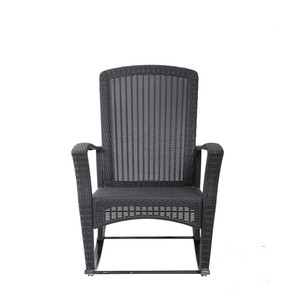
Traditional Japanese inns (Ryokan) and modern hot-spring resorts are updating their private open-air verandas (Engawa). Lightweight PE rattan and aluminum rockers resist high humidity and volcanic sulfur fumes while offering guests a tranquil, ergonomic lounging experience overlooking Zen gardens.
Urban apartments in metropolitan centers demand micro-footprint furniture. Low-profile, stackable rocking chairs or foldable glider units allow city dwellers to transform narrow balconies (Nバルコニー) into private relaxation spots without blocking sliding glass fire evacuation routes.
With over 29% of Japan’s population aged 65 or older, senior living facilities prioritize smooth-glide motion, elevated seat heights (42–45cm) for easy standing, safety anti-tip rear stoppers, and heavy-duty 350lbs load capacities for physical rehab and leisure spaces.
In tourist hotspots like Okinawa, Kamakura, and Fukuoka, outdoor commercial venues demand UV-stabilized, salt-mist resistant furniture. Weatherproof HDPE and powder-coated steel rockers deliver zero-maintenance performance against coastal typhoons and strong UV exposure.
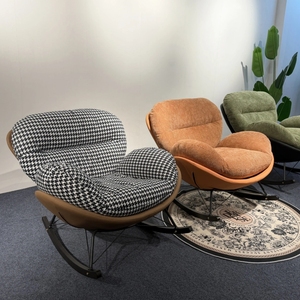
The hybrid "Japandi" interior design trend combines Scandinavian functionality with Japanese minimalist aesthetic. Soft fabric-upholstered rocking lounge chairs with natural timber-tone frames serve as stylish focal points in suburban family living rooms and home offices.
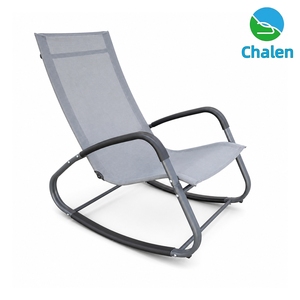
Japan’s booming luxury outdoor glamping industry relies on zero-gravity iron frame rocking lounges. These chairs provide guests with deep postural support, promoting relaxation during star-gazing and forest bathing (Shinrin-yoku) retreats.
Understanding emerging consumer preferences allows Japanese importers to optimize product selection, reduce holding costs, and command premium retail margins. Our market research highlights four key trends driving wholesale demand:
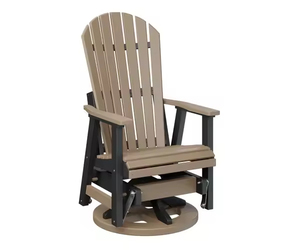
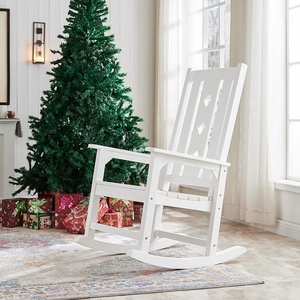
Japanese retail buyers are actively replacing traditional timber rockers with eco-friendly High-Density Polyethylene (HDPE) lumber. Engineered from post-consumer recycled plastics, HDPE does not rot, splinter, or absorb moisture, making it ideal for Japan’s rainy season (Tsuyu). Additionally, its recyclable composition aligns with corporate SDG (Sustainable Development Goals) procurement mandates in Japan.
Unlike traditional aggressive motion rockers, Japanese consumers favor smooth, low-amplitude gliding mechanisms. Ball-bearing glider joints integrated into aluminum or HDPE frames deliver whisper-quiet movement suited for quiet wood-frame residences (Moku-zo) where floor vibration must be kept to a minimum.
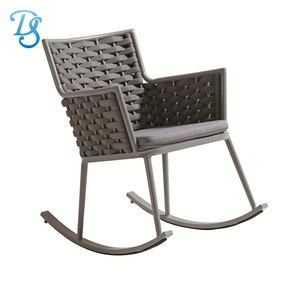
Outdoor rope furniture combining solution-dyed polypropylene rope with sleek aluminum frames has seen a 35% year-on-year surge in Japanese contract furniture inquiries. The open-weave structure allows high air permeability—crucial during Japan's humid summers—while maintaining a light, modern visual profile.
Commercial leisure venues are increasingly specifying multi-functional iron frame rockers equipped with zero-gravity weight distribution. By elevating the user's feet above the heart level, these chairs relieve spinal pressure, appealing directly to health-conscious Japanese consumers and wellness spa operators.
To help Japanese procurement officers evaluate material options for bulk order specifications, the matrix below details mechanical properties, weather resistance ratings, and optimal application environments:
| Material Category | Primary Structure | Weatherability (UV/Moisture) | JIS Weight Capacity | Recommended Application in Japan |
|---|---|---|---|---|
| HDPE Polymer Lumber | Recycled Marine Polyethylene | Ultra-High (10-Yr Non-Fading) | 350 lbs + | All-Weather Patio, Resort Poolside, Coastal Prefectures |
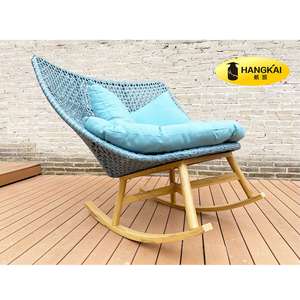
| PE Synthetic Rattan | Powder-Coated Aluminum | High (UV-Resistant Polyethylene) | 300 lbs | Ryokan Engawa, Hotel Balconies, Indoor-Outdoor Lounge |
| Woven Olefin Rope | T6 Grade Aluminum Frame | High (Quick-Dry Core) | 300 lbs | Urban Apartment Balconies, Modern Boutique Cafes |
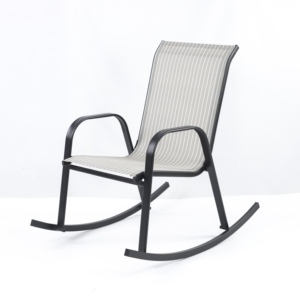
| Powder-Coated Steel | Reinforced Iron / Steel Tube | Medium (E-Coated Rust Inhibitor) | 350 lbs | Glamping Grounds, Zero-Gravity Public Parks |
| Fabric Upholstered | Hardwood / Plywood & Steel Base | Indoor Only (Stain-Resistant) | 280 lbs | Suburban Living Rooms, Nursery Rooms, Home Offices |
With over 14 years of direct B2B export experience, our enterprise production ecosystem—rooted in specialized woodworking and modern metal fabrication—combines industrial manufacturing scale with meticulous craftsmanship. We understand the stringent quality expectations of the Japanese market and deliver reliable compliance at direct-factory prices.
All solid timber and bamboo components undergo strict automated kiln-drying down to an optimal 8–12% moisture content, preventing cracking or warping in Japan’s varied climate. Every product batch undergoes 100% pre-assembly structural inspections prior to carton packing.
Our raw materials feature complete chain-of-custody documentation. Timber and natural fibers are legally sourced from verified sustainable plantations, simplifying customs clearance and compliance for Japanese import authorities.
With an active production floor operating multiple automated machining lines, our workshop reliably outputs seven 40-foot high-cube containers monthly, guaranteeing stable lead times during peak seasonal retail cycles.
From initial technical drawings or reference photos to physical 3D prototypes, our engineering team works closely with Japanese interior designers to adapt dimensions, color palettes, and packaging to local market requirements.
Our export models are tested against structural stability and static load requirements equivalent to JIS S 1201 and JIS S 1032. Critical safety features—including engineered arc radius stoppers that prevent rear tip-over, reinforced mortise-and-tenon joints, and smooth-edge corner chamfering—are integrated into all production runs destined for Japan.
Standard mass production lead time is 30 to 40 days following sample sign-off and deposit receipt. Shipments are loaded in 20GP or 40HQ containers and routed directly from major export hubs (such as Ningbo, Shanghai, or Semarang) to main Japanese ports including Yokohama, Tokyo, Osaka, Kobe, and Nagoya, with transit times averaging just 7 to 14 days.
Yes. We provide complete private-label OEM support. This includes custom 5-ply double-wall export corrugated master cartons, JAN/EAN barcode labeling, drop-test compliant internal foam corner protectors, and clear Japanese-language assembly instructions (取扱説明書) packaged with every unit.
Our standard MOQ per single product design starts at 30 to 50 units. For initial trial orders or seasonal catalog testing, Japanese buyers can consolidate 3 to 5 different rocking chair SKUs within a single 40HQ container to optimize freight costs and reduce warehouse stock risk.
All paints, powder coatings, fabric dyes, and structural adhesives used in our production conform to strict international environmental regulations, satisfying low-formaldehyde and zero-VOC thresholds. Metal components utilize non-toxic powder coating cured at high temperatures, ensuring odor-free unboxing—a key requirement for Japanese residential end-users.
After reviewing your technical drawing or 3D model, our engineering team prepares a detailed quotation. Upon agreement, a physical sample prototype is crafted within 10 to 15 days. High-definition photos, dimension verification reports, and video stress tests are provided before dispatching the sample via express air freight for your physical inspection.
Connect with our enterprise engineering and export sales team today to request wholesale price lists, full digital catalogs, and custom OEM project consultations.