Direct from CV. PRIMA PUTRA Jepara Factory — Precision kiln-dried solid wood craftsmanship built for international commercial and retail distribution.
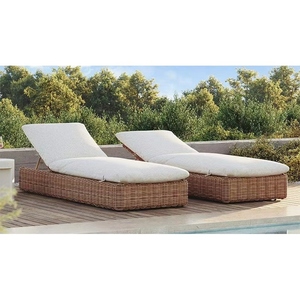
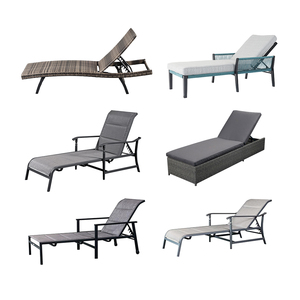
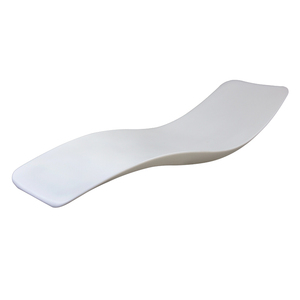
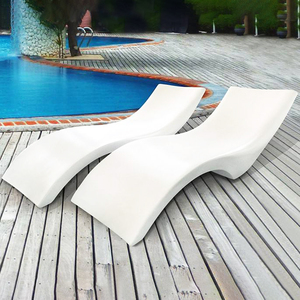
Direct manufacturing execution in Jepara, Central Java. We eliminate trading intermediaries, ensuring complete quality control from raw log seasoning to final container seal.
Based in Krapyak, Jepara, our dedicated workshop processes plantation-grown teak (Perhutani) and premium tropical hardwoods under strict engineering supervision.
Every wooden sideboard, credenza, and lounger is backed by full Indonesian timber legality verification (SVLK), satisfying strict EUTR and UKTR due-diligence checks.
Timber is systematically seasoned in automated computer-controlled kilns to achieve an optimal 8–12% moisture content for indoor lines, preventing cracking or warping.
The global luxury and commercial furniture landscape has witnessed a structural shift toward high-durability, sustainably sourced solid wood case goods. Among interior storage solutions, wooden sideboards (also referred to as credenzas, buffets, or server consoles) represent a critical product category for contract hospitality, high-end residential retail, and architectural interior projects. Sourcing these complex wood units requires deep evaluation of material integrity, structural joinery, humidity tolerance, and international timber legality standards.
This industry whitepaper provides enterprise procurement officers, furniture importers, hotel developers, and retail brand buyers with an exhaustive technical evaluation framework. We analyze manufacturing protocols across the world’s top supply hubs—highlighting the manufacturing expertise centered in Jepara, Central Java, Indonesia—and break down the engineering criteria required to source premium wooden sideboards at scale.
Key Industry Takeaway: Unlike standard flat-pack furniture, solid teak and hardwood sideboards require precise moisture control (8%–12% MC) and traditional joinery (mortise-and-tenon combined with English dovetailing) to guarantee lifetime structural stability across varying climate zones.
Selecting a long-term manufacturing partner for solid wood sideboards requires benchmarking factories beyond superficial surface finishes. B2B buyers must evaluate potential suppliers against five core criteria: timber origin transparency, structural joinery methods, kiln-drying capability, surface finishing technology, and export compliance documentation. Below is the comparative framework used by top tier international furniture buyers:
| Evaluation Parameter | Tier 1 Manufacturing Standard (e.g., Prima Furniture Jepara) | Standard Commercial Factories | Risk Assessment / Buyer Impact |
|---|---|---|---|
| Timber Sourcing & Legality | 100% Certified Plantation Teak (Perhutani Grade A/B) with SVLK chain-of-custody. | Mixed unverified tropical timber, secondary market wood. | High risk of customs seizure under EUTR, US Lacey Act compliance violations. |
| Kiln Drying Moisture Content | Automated Dehumidification Kilns; targeted 8% – 12% MC with digital probe verification. | Air-dried or fast-track kiln (14% – 18% MC). | High risk of wood checking, panel warping, and joint separation in dry northern climates. |
| Structural Frame Joinery | True Mortise & Tenon, corner block reinforcement, floating panel construction. | Staples, pocket screws, low-density dowel joints. | Structural sagging, door misalignment, drawer runner failure under weight loads. |
| Drawer Construction | Solid wood drawer boxes with front/rear dovetail joints & undermount soft-close slides. | MDF drawer bottoms with butt joints and side-mounted ball slides. | Bottom blowout under heavy dinnerware loads; premature runner degradation. |
| Finishing & Topcoats | Multi-stage sanded (up to 400 grit), polyurethane/NC lacquers or natural eco-oils. | Single coat spray finish, non-regulated solvent coatings. | Surface flaking, VOC off-gassing, poor resistance to hot dishes and liquid spills. |
The operational longevity of a wooden sideboard is fundamentally governed by the physical properties of the chosen timber. Suppliers operate across various wood species, each presenting unique density profiles, natural oil contents, and aesthetic grain characteristics.
Teak remains the undisputed gold standard for both indoor solid sideboards and outdoor credenzas. High-grade Indonesian teak from Central Java contains natural silica and high rubber oils that make the wood inherently resistant to moisture fluctuations, fungal decay, and termite infestation. Grade-A teak heartwood offers a tight, golden-brown grain that ages gracefully without structural degradation, making it the preferred material for luxury hotel suites, coastal villas, and high-traffic dining spaces.
Indonesian mahogany is highly valued for classic, mid-century modern, and contemporary stained sideboard collections. With a uniform grain texture and exceptional dimensional stability, mahogany responds exceptionally well to precision machining and hand carving. When dried correctly to 9-11% MC, mahogany sideboards exhibit negligible expansion and contraction, allowing for micro-tolerance drawer and door fittings.
Modern architectural trends heavily favor hybrid material sideboards. Integrating hand-woven natural or synthetic rattan door panels provides ventilation for audio-visual equipment while delivering a warm organic texture. Powder-coated aluminium or 304-grade stainless steel base frames provide architectural lightness while keeping the wooden cabinet elevated off damp floors.
As a established manufacturer operating in Jepara for over 14 years, CV. PRIMA PUTRA (Prima Furniture) has formalized a strict 4-stage quality management workflow that eliminates production errors before containers are loaded.
Every custom sideboard order begins with 2D/3D CAD engineering drawings. We produce full-scale approved physical prototypes, verifying clearance tolerances, door hinge action, and weight load capacity prior to mass production.
Planks undergo a 21-to-30-day kiln drying cycle. Moisture levels are digitally sampled across core and surface zones to ensure the wood stabilizes between 8% and 12% MC, guaranteeing stability in air-conditioned or heated export environments.
State-of-the-art spindle molders and double-end tenoners cut precise jointing profiles, while master Jepara artisans assemble the components using waterproof D3/D4 polyvinyl acetate glues and internal block bracing.
B2B furniture buyers and global sourcing directors must align their product portfolios with evolving market demands. Strategic analysis reveals several major structural trends driving the wooden sideboard market over the next decade:
European and North American retailers are increasingly prioritizing furniture engineered for disassembly. Sideboard designs incorporating knock-down leg assemblies, easily replaceable hardware tracks, and modular internal shelving allow commercial buyers to extend product lifecycles and reduce carbon transport footprints.
Regulatory mandates regarding indoor air quality (such as CARB Phase 2 and REACH compliance) have driven a transition away from heavy solvent lacquers toward ultra-low VOC water-based polyurethane topcoats and natural plant oils. These finishes highlight wood grain texture while protecting against alcohol stains, heat damage, and surface scratching.
The modern sideboard has expanded beyond simple dining room storage; it frequently serves as an AV hub in hospitality lounges and luxury residences. Leading factories now integrate concealed wire channels, magnetic removable back panels, cut-out heat dissipation vents, and wireless device charging pads seamlessly within solid teak credenzas.
Freight cost efficiency is vital for maintaining wholesale margin profitability. Shipping solid wood sideboards requires intelligent packaging design to optimize volumetric container loading (CBM) while protecting finished surfaces against sea transport humidity and vibration damage.
At CV. PRIMA PUTRA, sideboards are packed using heavy-duty 5-ply corrugated master cartons, reinforced edge corner protectors, high-density polyethylene foam wrapping, and moisture-absorbing silica packs. For high-volume retailer orders, knock-down (KD) leg structures are engineered to reduce packed unit height, increasing 40ft High Cube container capacity by up to 35% compared to fully assembled units.
Clear answers to essential technical and commercial questions for B2B buyers, interior designers, and wholesale importers.
Our monthly production capacity at our Jepara workshop averages seven 40-foot High Cube containers. For custom commercial OEM/ODM orders and standard catalog lines, our typical minimum order requirement is one 20-foot container (or consolidated items filling a 40-foot container). We allow mixed product model selection within single container orders to support diverse retail stock requirements.
All timber processed at CV. PRIMA PUTRA is sourced from legal government plantations (PT. Perhutani) and fully documented under Indonesia's national timber legality verification system (SVLK - Sistem Verifikasi Kelestarian Kayu). We provide full chain-of-custody documentation with every shipment, ensuring complete compliance with EUTR, UKTR, and US Lacey Act regulations.
Yes. Over 60% of our production consists of custom white-label and private-label contract furniture. Our in-house engineering team works directly from your architectural elevation drawings, CAD files, or physical samples. We produce a physical prototype for client inspection, measuring dimensions, structural integrity, and finish color matching before commencing batch production.
For solid wood indoor furniture including sideboards, dining tables, and bedroom cabinets, we kiln-dry timber to a target moisture content of 8% to 12%. This strict range prevents timber shrinking, checking, or joint splitting when the furniture is placed in climate-controlled indoor environments across North America, Europe, and Australia.
We install premium soft-close door hinges and concealed undermount drawer slides from industry-leading international brands such as Blum, Hettich, or Hafele based on client project specifications. For outdoor teak credenzas, we utilize 316 marine-grade stainless steel hardware to prevent corrosion from salt air and humid poolside conditions.
Ready to streamline your solid wood sideboard procurement or launch a custom private-label furniture collection? Contact our engineering and export team in Jepara today for factory-direct quotes and technical consultation.