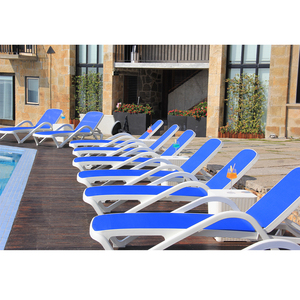
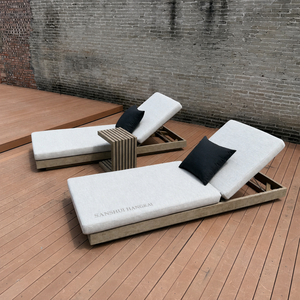
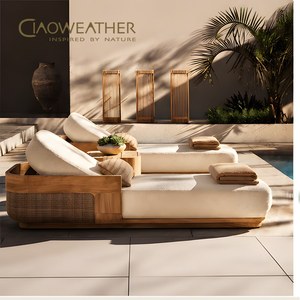
Precision-engineered pool loungers, beach sunbeds, and resort seating built for heavy commercial duty and extreme climate durability.
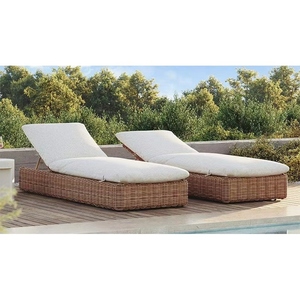
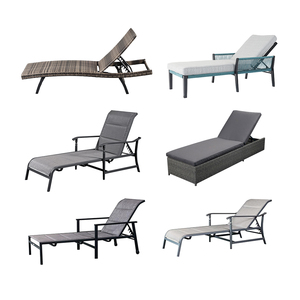
An in-depth guide to commercial furniture engineering, wood moisture dynamics, material selection matrix, and international export compliance for project developers and procurement executives.
In the global hospitality and commercial real estate sectors, selecting an OEM/ODM project furniture manufacturer and exporter is a strategic decision that directly influences project timelines, operational expenditures, brand reputation, and Total Cost of Ownership (TCO). Commercial furniture deployed in luxury resorts, boutique hotels, high-traffic dining venues, and private residential developments must withstand intense environmental stresses—ranging from high UV radiation and saltwater spray to extreme moisture fluctuations and heavy daily mechanical usage.
As operating enterprise CV. Prima Putra (Prima Furniture), operating out of Jepara, Central Java—the historical heartland of Indonesian solid wood craftsmanship—we bridge the gap between traditional woodworking mastery and modern industrial manufacturing engineering. Managing full-scope OEM (Original Equipment Manufacturer) and ODM (Original Design Manufacturer) projects requires more than standard production capacity; it demands a rigorous scientific approach to timber drying, precision CNC joinery, environmental compliance, and structural integrity testing.
“In contract furniture manufacturing, structural failure rarely occurs due to design; it occurs due to improper timber moisture equilibrium (EMC), inadequate joinery engineering, or non-compliant finishing chemistry. True OEM leadership is built on pre-production physics and empirical quality control.”
Commercial project buyers face complex decisions regarding material selection. While residential furniture prioritizes decorative aesthetic appeal, project furniture must be engineered according to strict physical load tolerances, fire-retardant standards (such as CAL 117 or BS 5852), and climate resistance capabilities. Below is an engineering overview of the primary materials integrated into our production lines:
| Material Category | Structural & Physical Properties | Kiln Drying / Prep Standard | Ideal Commercial Project Application |
|---|---|---|---|
| Perhutani Plantation Teak (Grade A/B) | High natural rubber content, dense silica content, exceptional natural resistance to rot, termites, and fungal decay. | Kiln-dried to 8% – 12% Moisture Content (MC) via automated steam kilns. | Unsheltered outdoor resort decks, oceanfront sun loungers, heavy-duty dining tables, and poolside lounge chairs. |
| Indonesian Hardwood Mahogany | Fine grain texture, superb dimensional stability, excellent workability for intricate hand-carved detailing. | De-humidified to 10% – 12% MC to prevent warping in climate-controlled interiors. | Luxury hotel guestroom casegoods, wall panelling, indoor dining chairs, executive headboards, and wardrobes. |
| Marine-Grade 316 Stainless Steel & Aluminum | Corrosion-resistant metal frameworks, high tensile strength, lightweight structural profiles with powder coating. | Electrostatic powder coating (minimum 80-micron thickness) cured at 200°C. | Hybrid modern outdoor furniture, stackable bistro chairs, modular sofa frames, and adjustable back lounger mechanisms. |
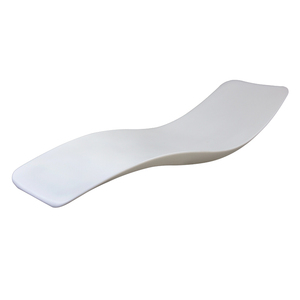
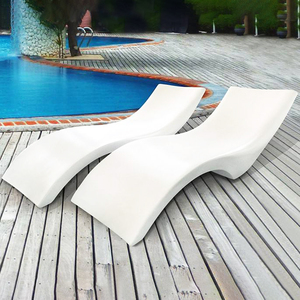
| Submerged Polymer & In-Pool Fiberglass | Non-porous, highly resistant to chlorine, bromine, and salt water, high UV-stabilized resin construction. | Seamless single-mold casting with anti-yellowing UV chemical blockers. | In-pool sunbeds, shallow water ledge chaises (Baja shelves), and waterpark splash pads. |
Understanding these material parameters ensures that architectural specifications match real-world environmental conditions. For instance, putting indoor-grade mahogany in a coastal pool lounge will cause premature wood failure. Conversely, using solid Grade-A teak for internal structural framing hidden beneath upholstery is inefficient for project budgets. Our engineering team assists procurement directors in optimizing material allocations across all furniture schedules.
Key technological, environmental, and design shifts redefining international contract furniture manufacturing and container export logistics.
Global freight volatility has made container volumetric efficiency (CBM optimization) a critical performance metric. Future contract lines feature engineered KD joinery with concealed stainless-steel fast connectors. This enables high-density packaging, reducing shipping costs by up to 35% without sacrificing structural rigidity.
Global regulations (including EUTR, UKTR, and the US Lacey Act) require total transparency in wood sourcing. Future procurement mandates complete digital chain-of-custody verification. Every cubic meter of timber must be fully SVLK-certified back to legal Indonesian government plantations.
Design trends favor combining warm, organic solid teak surfaces with sleek industrial bases—such as quick-dry reticulated foams, synthetic weather-resistant ropes, and submerged fiberglass elements. This hybrid approach delivers visual warmth along with long-term weather performance in high-humidity zones.
A look into CV. Prima Putra's manufacturing plant in Jepara, Java—where heritage craftsmanship meets modern industrial production capability.
Operating out of Jepara, Central Java, CV. Prima Putra manages a fully integrated manufacturing plant equipped with automated computer-controlled timber drying kilns, multi-axis CNC routing machines, precision mortise-and-tenon shapers, and dedicated dust-free finishing rooms.
Unlike trading brokers who aggregate items from unverified home workshops, we handle every stage of manufacturing within our owned facility. This ensures complete control over timber moisture content (EMC), joinery tolerances, and finish consistency across every container shipped.
1. Timber Moisture Testing: Every plank is pin-tested before entering the machining department.
2. Dry Assembly & Fitting: Components are assembled un-glued to check joint tightness and load alignment.
3. Multi-Stage Sanding: Smooth hand-sanding up to 400-grit prior to oil, polyurethane, or lacquer coats.
4. Drop & Load Inspection: Export cartons feature heavy-duty edge guards, humidity absorption packs, and shrink wrapping.
We review technical drawings, refine joinery specifications, select materials, and build a physical prototype for approval prior to mass production.
Log sawing and computer-controlled kiln drying reduce moisture to 8-12%. Precision CNC cutting guarantees tight-tolerance joinery across batch runs.
Traditional mortise-and-tenon woodworking combined with waterproof polyurethane glue (D4-grade). Custom stains, oils, or lacquers applied in dust-free booths.
Multi-layer corrugated carton packaging, full container loading (FCL), SVLK documentation, and FOB Semarang port dispatch with photos provided.
Detailed technical answers addressing custom manufacturing, minimum order quantities, compliance standards, and international logistics.
Partner directly with CV. Prima Putra—Jepara's premier Indonesian solid wood manufacturer and exporter. From CAD drawings and timber selection to kiln drying and final container delivery, our engineering team ensures your project is delivered on schedule, within budget, and to international quality standards.