Choosing Wooden Bedside Nightstands can change how a bedroom feels and functions. The right pair holds a lamp, book, glasses, and charging cable without creating visual clutter. It also supports the bed’s scale, lighting plan, and storage needs. A narrow nightstand may suit a compact room. A wider design may feel better beside a king-size bed.
Interior designer Nate Berkus offers a useful principle: “Your home should rise up to greet you.” That idea applies directly to bedside furniture. A warm oak surface, softly rounded corner, or small drawer can make early mornings feel less harsh. Yet appearance should not lead every decision. Check the nightstand’s height against the mattress. Keep essential items within easy reach. Measure the wall, bed frame, and walking space before shopping.
Material quality matters too. Look for stable joinery, smooth drawer movement, and a finish that handles daily contact. Solid wood can age beautifully, but it may show marks. That is not always a flaw. It can record real life. Veneer may offer a cleaner, more affordable surface, though poor construction can peel or warp. Consider cable openings, drawer depth, and whether open shelves will collect dust.
Style matching can be imperfect. That is acceptable. A pair of identical Wooden Bedside Nightstands creates balance, while mismatched pieces can add personality. The better choice depends on your habits, room dimensions, and patience for maintenance. This guide explores those practical details, helping you choose a nightstand that looks inviting and works quietly every night.
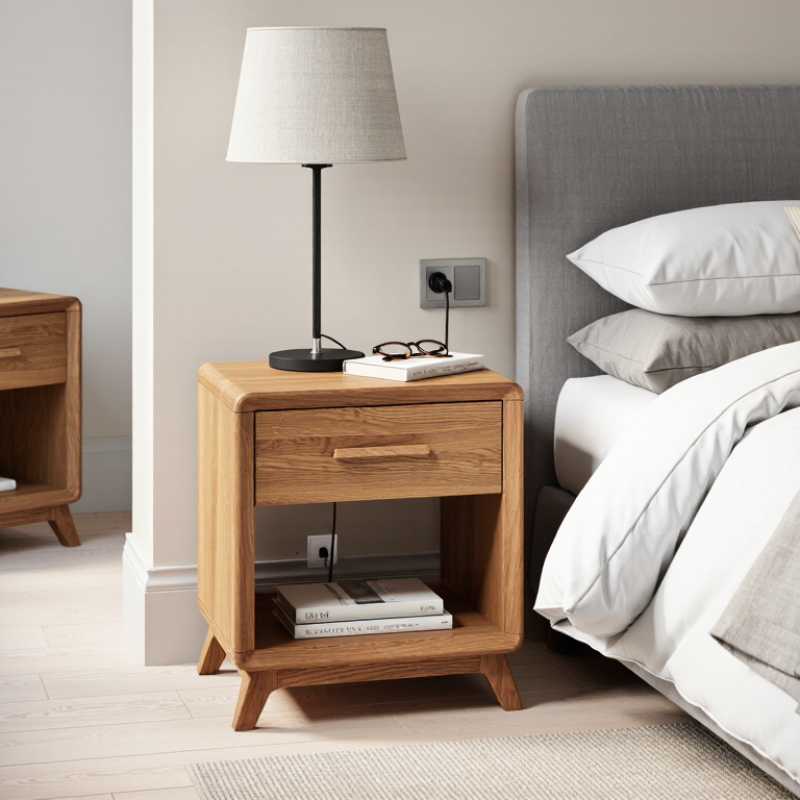
Wooden bedside nightstands do more than hold a lamp. They shape the first and last moments of a bedroom. In my room, a warm wood-toned table softened the space, while its drawer kept glasses and reading notes within reach. This daily contact reveals their real role: storage, balance, and visual comfort. A nightstand should support bedtime habits without making the room feel crowded. Measure the bed height carefully. A surface close to mattress level prevents awkward reaching and protects a phone or cup from careless knocks. Small details matter.
Solid wood can offer stability and a repairable surface, but construction matters more than appearance alone. Check whether joints feel firm, drawers move evenly, and the back panel sits securely. Wood changes slightly with humidity. Leave a small gap from damp walls, and wipe spills quickly. A clear finish can reduce staining, although it will not make the surface indestructible. Avoid placing hot mugs directly on it. I have learned that a beautiful open shelf can become untidy within days. Realistically, one drawer may serve better than decorative storage.
Consider circulation around the bed, especially in narrow rooms. Rounded corners help reduce painful bumps during nighttime movement. Choose stable legs and a broad base if children or pets share the home. The finish should feel smooth, without a strong lingering odor. Style still matters, but function should lead. I sometimes prefer mismatched wooden tables because identical pieces can make a room feel staged. That choice is not universally right. Reflect on your habits before buying: Do you read, charge devices, or store personal items nearby? Use it honestly.
| Selection Dimension | Recommended Guideline | Why It Matters | Suitable Bedroom Situation |
|---|---|---|---|
| Height | Choose a nightstand with a top surface approximately level with the mattress, usually within about 5 cm above or below it. | A similar height makes lamps, books, and personal items easier to reach from bed. | Most bedrooms, especially when the bed has a standard-height frame. |
| Width | Allow about 45–60 cm of width for a balanced bedside surface; use a narrower unit where floor space is limited. | The width affects usable storage, walking clearance, and the visual proportion beside the bed. | Compact rooms benefit from widths around 30–45 cm; larger rooms can accommodate wider designs. |
| Depth | A depth of approximately 30–45 cm usually provides useful storage without projecting too far into the walkway. | Excessive depth can restrict movement, while very shallow furniture may not hold a lamp or larger book. | Narrow bedrooms, apartments, and layouts with limited clearance around the bed. |
| Wood Type | Hardwoods such as oak, maple, beech, and walnut generally offer good resistance to everyday wear; pine is lighter and often more economical. | Wood species influences hardness, grain appearance, weight, repairability, and cost. | Select a species that matches the room’s existing furniture and the expected level of daily use. |
| Construction | Look for stable joints, even panel alignment, smooth drawer movement, and a level base. | Sound construction helps the nightstand remain stable and functional over time. | Bedrooms requiring dependable furniture for lamps, books, chargers, and regular storage. |
| Storage Format | Choose open shelves for quick access, drawers for concealed storage, or a combination for flexible organization. | Storage style affects both convenience and the visual neatness of the room. | Drawers suit minimalist rooms; open shelving works well for books and decorative objects. |
| Surface Finish | A sealed, smooth finish helps protect the wood from ordinary spills, dust, and handling. | The finish affects stain resistance, cleaning requirements, color depth, and tactile quality. | Choose low-sheen finishes for relaxed interiors and clearer finishes when showing natural grain is important. |
| Color and Grain | Coordinate the wood tone with the bed, flooring, and other large furniture rather than matching every item exactly. | Consistent undertones create visual harmony, while contrasting grain can provide a focal point. | Light woods can make small rooms feel brighter; darker tones add visual weight to spacious rooms. |
| Cable Management | Consider a rear opening or concealed channel when using a bedside lamp, phone charger, or other electronics. | Cable access reduces clutter and helps keep charging devices within reach. | Modern bedrooms and work-from-bedroom layouts with several small electronic devices. |
| Safety and Stability | Use a broad, level base and secure tall or lightweight furniture to the wall where appropriate. | Stable furniture lowers the risk of tipping, especially in homes with children or pets. | Family bedrooms, rental homes with active pets, and rooms using tall storage designs. |
| Maintenance | Dust with a soft cloth, wipe spills promptly, and avoid prolonged contact with excessive moisture or heat. | Basic care helps preserve the finish and reduces the chance of water marks or surface damage. | All bedrooms, particularly rooms exposed to sunlight, humid air, or frequent use. |
| Overall Role | Treat the nightstand as both a functional bedside station and a supporting element of the room’s design. | The right piece improves accessibility, organization, lighting placement, and visual balance. | Any bedroom where comfort, storage, and a cohesive interior style are priorities. |
It provides storage, balance, and a reachable surface beside the bed. A drawer can hold glasses, notes, or a phone.
Keep its surface within about two inches of the mattress top. A height between 20 and 28 inches often works for standard beds. Check your actual mattress and frame.
Leave about 24 inches when the room allows it. Measure the doorway swing and nearby furniture, too. Narrow rooms may need a smaller cabinet.
Mark its width and depth on the floor with painter’s tape. Walk around the outline. Open imaginary drawers. Recheck the layout at night.
Check firm joints, smooth drawer movement, and a secure back panel. Stable legs and a broad base improve everyday safety. Appearance alone is not enough.
Wipe spills quickly and keep the table away from damp walls. Use a clear finish for better stain resistance. Never place a hot mug directly on the wood.
It can work, but it may become untidy within days. One drawer often hides glasses, cables, and reading notes better. I underestimated this once.
Choose a depth near 14 to 18 inches. Rounded corners reduce painful nighttime bumps. Keep cords away from walking paths. Recheck your measurements.
Choosing the right Wooden Bedside Nightstands can improve both the function and atmosphere of any bedroom. Start by considering their role: they provide convenient space for lamps, books, glasses, and personal items while helping create a balanced look beside the bed. Measure the available floor area, bed height, and walking paths before selecting dimensions, ensuring the nightstands are comfortable to reach without making the room feel crowded.
Next, evaluate wood types, finishes, and construction quality according to your lifestyle and design preferences. Solid, durable materials and well-built joints can support long-term use, while the finish should complement the room’s colors and provide easy cleaning. Match the nightstands with existing furniture through similar tones, shapes, or hardware, while choosing a style that suits the bedroom’s overall character. Finally, compare drawers, shelves, cable management, rounded edges, stability, and maintenance requirements to find a practical, safe, and attractive option.