Outdoor spaces now serve as dining rooms, reading corners, and places to gather after sunset. The market reflects that shift. Grand View Research valued the global outdoor furniture market at approximately US$50.41 billion in 2023 and forecast growth through 2030. That figure describes the wider category, not demand for any single chair style. Still, it helps explain why buyers are paying closer attention to comfort, durability, and design. A chair has to look inviting. It also has to handle real weather.
Synthetic Rattan Teak Chairs combine woven synthetic strands with teak details or frames, bringing together two distinct materials. The weave can offer a relaxed, textured look, while teak adds warmth and visible grain. But construction matters more than a polished product photo suggests. Check the frame joints, weave tension, UV-care guidance, and cushion fabric before choosing. No chair is maintenance-free. Even sturdy materials benefit from cleaning and sensible storage during harsh weather. Small details count.
This guide compares seven outdoor options by comfort, material quality, upkeep, and value. It also considers practical signs shoppers can inspect, such as stable legs and neatly finished edges. Product specifications and care instructions should be checked with each seller, since materials and warranties vary. The right choice depends on your space and climate—not just the prettiest weave. A little skepticism helps.
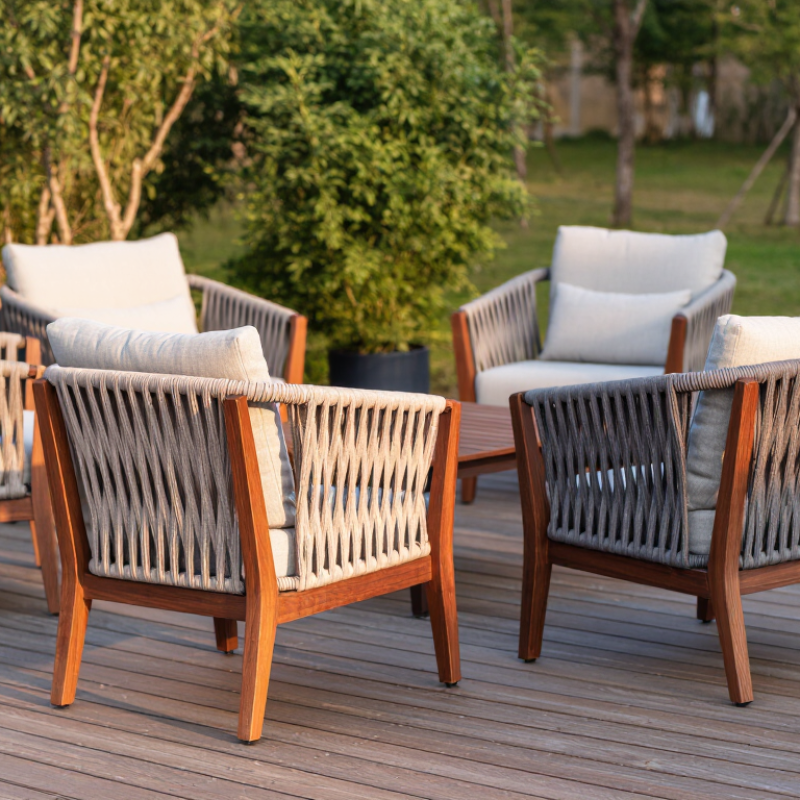
Synthetic rattan is a woven polymer, commonly polyethylene, rather than a plant-based cane. Its outdoor performance depends on resin quality, UV stabilizers, weave thickness, and the supporting frame. Check the chair in bright light: tight, even strands should not look brittle or chalky. Small gaps help rain drain, while trapped water can leave cushions damp and metal joints vulnerable. Details matter. Plastic weave is not automatically weatherproof; ask about UV testing and care limits.
Teak brings a different strength: a dense hardwood that can weather outdoors, though its color changes as it ages. The USDA Forest Products Laboratory’s Wood Handbook reports teak’s basic specific gravity at about 0.55, a useful density reference, not a guarantee for any single chair. Inspect end grain, joints, and finish; thin components can still split or loosen. Grand View Research valued the global outdoor furniture market at $50.79 billion in 2023, but market growth says little about an individual chair’s build. I would not mistake popularity for proof. Consider whether you prefer teak’s gradual silvering or the more uniform look of synthetic weave, and remember that neither option is maintenance-free.
For outdoor comfort, check seat depth, back angle, and arm height before comparing styles. A chair should support your thighs without pressing behind the knees. Synthetic rattan feels softer than bare metal, while a teak seat adds warm texture. Still, comfort depends on the frame beneath the weave. Sit in the chair if possible; photos hide stiff backs and narrow seats. Fit matters.
Durability comes from more than the visible material. Look for UV-stabilized resin, rust-resistant fasteners, drainage gaps, and a sturdy frame. The USDA Forest Products Laboratory’s Wood Handbook explains that changing moisture levels can make wood expand or shrink. Teak still benefits from cleaning and occasional inspection. ASTM G154 uses repeated ultraviolet-light and moisture exposure to assess weathering; its results do not promise a fixed number of outdoor years. Ask whether the chair has been tested, and treat vague “all-weather” claims cautiously.
Tips: Measure your patio and leave room to pull chairs back from the table. Check the feet on your actual surface; a wobble on stone becomes annoying fast. Store cushions dry, and rinse salt or grime from joints. Shade helps. One trade-off is easy to miss: tightly woven seats may feel supportive, but can hold heat on sunny afternoons. A little breathing room in the weave can matter.
These are representative chair styles, not specific branded products. Dimensions are approximate examples; check each product’s actual measurements before buying. Synthetic rattan is commonly made from polyethylene (PE) resin, while teak is a naturally weather-resistant hardwood that benefits from periodic care.
| Chair Style | Typical Dimensions (W × D × H) | Typical Materials | Comfort Features | Outdoor Durability | Best For | Care Considerations |
|---|---|---|---|---|---|---|
| 1. Classic Teak-Frame Rattan Dining Armchair | 23 × 24 × 34 in (58 × 61 × 86 cm) |
Teak frame with handwoven PE synthetic rattan | Armrests and a supportive upright back; a removable cushion can add padding. | PE rattan is suitable for outdoor use when UV-stabilized. Teak naturally contains oils that help it withstand outdoor conditions. | Everyday patio dining and general outdoor seating. | Clean the weave with mild soapy water. Rinse and dry teak periodically; leave teak untreated to weather naturally or use a suitable teak finish. |
| 2. Compact Armless Rattan Dining Chair | 19 × 22 × 33 in (48 × 56 × 84 cm) |
Teak legs or frame with PE synthetic rattan seat and back | Compact profile; cushions can improve comfort for longer meals. | Fewer exposed surfaces and a smaller footprint can make it easier to store under a table or cover. | Small balconies, narrow patios, and dining sets with limited space. | Allow air to circulate around the chair after rain. Check woven edges and frame joints during routine cleaning. |
| 3. High-Back Teak and Rattan Dining Chair | 24 × 25 × 40 in (61 × 64 × 102 cm) |
Teak frame with PE synthetic rattan back and seat | Taller back offers more upper-back coverage; a seat cushion may improve pressure distribution. | A stable frame and outdoor-rated weave suit covered or open-air dining areas; prolonged exposure can still age finishes and cushions. | Longer meals and people who prefer a taller backrest. | Store cushions dry when not in use. Follow the maker’s care instructions for any teak sealant or finish. |
| 4. Stackable Rattan-Style Teak Dining Chair | 22 × 23 × 33 in (56 × 58 × 84 cm) |
Teak or teak-finished frame with PE synthetic rattan panels | Simple dining-chair support; typically less padding than lounge styles. | Stacking can make seasonal storage easier, helping reduce exposure to harsh weather when chairs are not in use. | Flexible seating, entertaining, and patios where storage space matters. | Stack only chairs designed for stacking, and place a soft separator between frames if needed to prevent scuffing. |
| 5. Deep-Seat Rattan Teak Lounge Chair | 28 × 31 × 33 in (71 × 79 × 84 cm) |
Teak frame with PE synthetic rattan sides and back | Deeper seat and relaxed back angle suit lounging; thick, outdoor-rated cushions are commonly used. | Designed for relaxed seating rather than compact dining. Cushions may need more protection from rain and prolonged sun than the frame. | Reading, conversation areas, and covered patios. | Remove or cover cushions during wet weather. Clean the weave gently to avoid snagging or damaging strands. |
| 6. Teak-Frame Rattan Club Chair with Cushions | 27 × 29 × 32 in (69 × 74 × 81 cm) |
Teak frame with PE synthetic rattan panels and removable cushion covers | Broad seat and arms provide a more substantial, cushioned sitting position. | Removable covers make cleaning easier. Outdoor performance depends on the cushion fabric, foam, and construction as well as the chair frame. | Conversation sets and comfortable everyday patio seating. | Check whether cushion covers are washable and whether the cushions are intended to be left outdoors; store them dry when possible. |
| 7. Folding Teak and Rattan Occasional Chair | 21 × 23 × 32 in (53 × 58 × 81 cm) |
Folding teak frame with PE synthetic rattan seat or back panels | Convenient extra seating; comfort varies by back angle and seat construction. | Folds for storage between uses. Hinges and joints need to remain clean and move freely. | Small patios, occasional guests, and seasonal outdoor seating. | Fold and store in a dry, ventilated place when not needed. Inspect moving joints and hardware periodically. |
Seven synthetic rattan teak chairs worth considering each suit a different outdoor space. A dining armchair with teak arms feels natural beside a sturdy table; check that the joints stay firm when you lean back. A stackable dining chair saves room in a narrow shed, though its woven back may feel less supportive during long meals. A high-back chair offers more shoulder support for slower lunches. Comfort is personal.
For balconies, a compact chair with slim teak-look legs leaves space for a small table and plant pots. A folding option is useful when guests arrive, but test the hinges before relying on it daily. A reclining chair suits reading in the afternoon; look for secure adjustment points and a footrest that does not wobble. A deep-seat lounge chair feels relaxed, especially with a removable cushion, but it needs more floor space than many buyers expect.
The weave and frame deserve a close look. Synthetic rattan can handle outdoor exposure, but quality and weather resistance vary, so check care instructions and keep cushions dry when possible. Teak details may be solid wood or a finish designed to resemble it; confirm before buying. I would not assume the heaviest chair is the strongest. Sit in it, check for sharp edges, and notice whether the seat flexes too much. Small details matter.
The best synthetic rattan teak chairs balance appearance with everyday comfort. A woven armchair suits long dinners, while an armless dining chair fits tighter patios. A teak-frame lounge chair feels relaxed beside a low table. For flexible seating, consider stackable, folding, or swivel designs. A high-back chair offers more support, though its larger frame can crowd a small balcony. Measure the space before choosing; photographs rarely show how much room chairs need when pulled out.
Look closely at both materials. Synthetic rattan made with UV-resistant resin generally handles sun better than natural cane, but quality and weave density vary. Tightly finished edges feel smoother and are less likely to snag clothing. Teak brings warm color and a sturdy frame, and its appearance changes outdoors over time. Left untreated, it may weather to a silvery gray. That change is natural, not damage. Still, check that joints feel firm and the chair sits evenly on your paving.
Practical details matter. Removable cushions are easier to clean, while quick-drying covers help after a passing shower. Check the stated weight capacity and whether the feet suit your deck or stone surface. Stackable chairs save storage space, but some woven backs may rub together. A swivel base is convenient, yet it adds moving parts to maintain. No chair is perfect. Think about shade, storage, and how long you actually sit outside before paying extra for decorative details.
Rinse synthetic rattan chairs after dusty or salty weather, then clean the weave with mild soap, water, and a soft brush. Avoid harsh solvents and high-pressure spray; both can damage finishes or force dirt deeper between strands. Dry the joints and undersides before adding cushions. The underside gets overlooked.
For teak arms and frames, clear away standing water and leaf stains promptly. The USDA Forest Products Laboratory’s 2010 Wood Handbook places wood’s average fiber-saturation point near 30% moisture content; moisture changes below that point can cause wood to shrink or swell. Keep chairs ventilated, and avoid leaving them pressed against damp walls. ASTM G154’s accelerated-weathering practice cycles ultraviolet light and condensation, a useful reminder that sun and moisture work together outdoors. It is not a service-life guarantee. Inspect woven strands, screws, and feet each season; tighten loose fittings and replace cracked glides before they scrape a deck. Color will change with sunlight, even with careful upkeep. That is normal, but deep cracks or sharp exposed ends need attention.
Check seat depth, back angle, and arm height. Your thighs should feel supported without pressure behind your knees. Sit in it if possible. Photos can hide a stiff back.
Woven synthetic rattan often feels softer than bare metal. Teak adds a warm, firm surface. The frame still matters. Comfort varies from chair to chair.
Look for UV-resistant resin, rust-resistant fasteners, drainage gaps, and a sturdy frame. Ask about weather testing. “All-weather” alone tells you little.
No. Clean it and inspect it occasionally. Wood can expand or shrink as moisture changes. Keep it ventilated and clear away standing water.
Measure the area and leave room to pull chairs back from the table. A deep lounge chair may take more floor space than expected. Measure twice.
Not necessarily. Tight weaving can feel supportive, but it may hold heat in the sun. A more open weave can feel cooler.
Test the hinges and adjustment points. Check that the footrest stays steady and the chair does not wobble. I would not trust appearance alone.
Rinse off dust or salt, then use mild soap, water, and a soft brush. Avoid harsh cleaners and high-pressure spray. Dry the joints before adding cushions, and inspect screws, feet, and woven strands each season. The underside is easy to miss.
Synthetic Rattan Teak Chairs combine the relaxed look of woven outdoor furniture with the warm, natural character of teak. This guide explains how synthetic rattan and teak work together, including the benefits of weather-resistant weaving, sturdy frames, and comfortable seating. It also outlines what to consider when choosing outdoor chairs, such as seat support, proportions, material quality, and how well a design suits your space.
Seven chair styles are explored, with attention to their appearance, construction, and practical features, including ease of cleaning and everyday versatility. A side-by-side comparison can help readers weigh design against durability and comfort before making a choice. The guide also shares simple care tips, such as wiping surfaces regularly, allowing materials to dry thoroughly, and protecting chairs when they are not in use. With thoughtful selection and basic maintenance, these chairs can create an inviting outdoor setting and remain enjoyable through many seasons.