Indonesian Solid Wood Cabinets appeal to buyers seeking natural grain, durable construction, and distinctive regional character. Yet a country’s forest resources do not guarantee responsible sourcing or consistent cabinet quality. Buyers should check the wood species, moisture-control process, joinery, finish, and documentation behind each product.
The Food and Agriculture Organization’s Global Forest Resources Assessment 2020 reports approximately 92.1 million hectares of forest in Indonesia. That figure provides useful context, not proof that any particular cabinet comes from a sustainable source. For market research, Indonesia’s BPS statistics and UN Comtrade trade records offer a more grounded way to examine furniture production and trade. Product-level checks still matter. Ask suppliers for clear material descriptions, kiln-drying details, construction photographs, and verifiable chain-of-custody documentation where available.
This guide compares ten Indonesian solid wood cabinet options through practical criteria: timber transparency, build quality, design, customization, and export readiness. Look closely at the details. A drawer that glides smoothly and a clean, tight corner can reveal more than polished catalogue photography. Some listings provide stronger evidence than others, and that gap deserves scrutiny. No verifiable, topic-specific expert quotation or source article was provided, so attributing a statement to a named cabinet specialist would risk inventing a quote. Reliable buying guidance should distinguish documented facts from claims that still need confirmation.
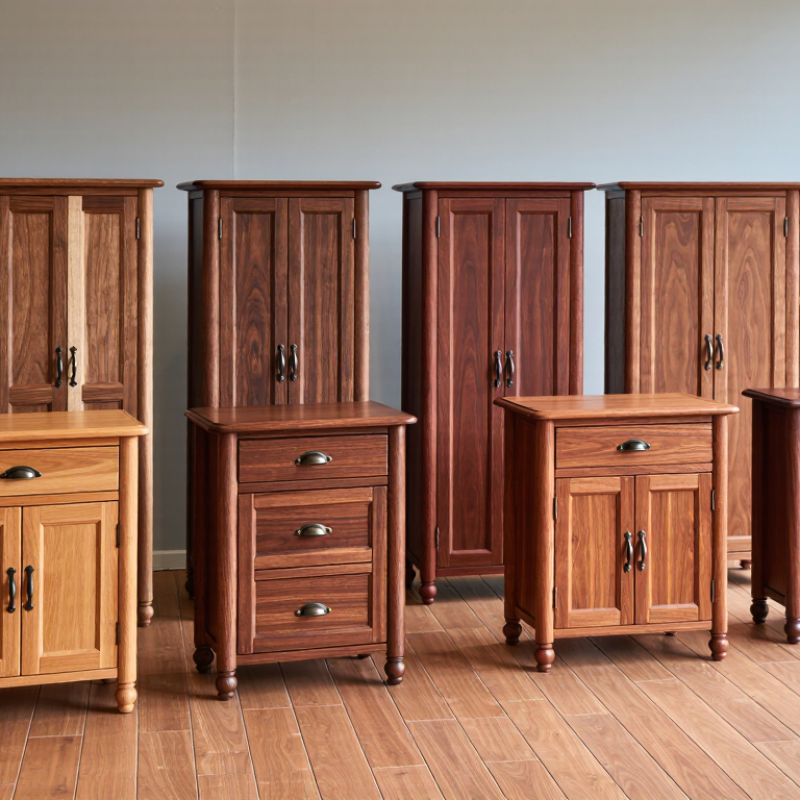
Choosing an Indonesian solid wood cabinet starts with matching the wood to its intended use. Teak is valued for its durability, while mahogany and mindi offer different grain patterns and tones. Ask for the exact species, not just “hardwood.” Check that doors sit evenly, drawers slide smoothly, and corners show tight, consistent joinery. Details matter.
Moisture control is crucial, especially when a cabinet will travel between humid and dry climates. Request the kiln-drying range and ask how the piece is acclimated before packing. Inspect sample photos in natural light; heavy stain can obscure grain and small repairs. A smooth finish should feel even around handles and edges, not thick or tacky. Confirm dimensions, shelf capacity, hardware, and protective export packaging in writing. Even careful checks cannot prevent every shipment issue, so clarify the process for documenting damage on arrival.
Indonesian solid wood cabinets are often made from teak, mahogany, and mindi. Teak has a naturally oily surface and visible grain, making it suitable for frequently used furniture. Mahogany is usually easier to carve and offers a more even color. Mindi is lighter, with a softer grain pattern. Wood names can vary in local trade, so buyers should confirm the species and ask whether parts such as drawer bottoms are also solid wood. Details matter.
Cabinet-makers may combine machine-cut panels with hand-finished edges. Mortise-and-tenon joints can strengthen doors and frames, while dovetail joints are commonly used for sturdy drawers. Frame-and-panel construction allows wood panels to move slightly as humidity changes. That movement is normal. Poorly seasoned timber, however, can still warp or crack, so ask about kiln-drying and moisture checks rather than relying on appearance alone.
Finishing choices affect both look and upkeep. A clear oil can reveal teak’s grain, while a low-sheen lacquer may create a more uniform surface. Check corners, drawer runners, and the underside for rough sanding or uneven coating. A small flaw is not always a problem, but inconsistent joinery deserves a closer look. Even well-made cabinets need stable indoor conditions; solid wood is durable, not immune to climate.
Indonesian solid wood cabinets come in many forms, and the right choice depends on room, use, and wood movement. A teak sideboard suits dining rooms; its dense grain handles daily contact well. A mahogany wardrobe offers a smoother, darker look, while a mindi dresser keeps bedrooms visually lighter. For entryways, a suar console can show broad, dramatic grain. A trembesi display cabinet makes that grain a focal point, but its size and weight need careful planning.
Other useful types include an acacia kitchen cabinet, a sungkai linen cupboard, a teak bathroom vanity, a mahogany bookcase, and a reclaimed-teak storage cabinet. Each has different maintenance needs. In humid rooms, ask about kiln drying, moisture readings, and sealed edges—not just the wood species. Check drawer movement, door alignment, and the back panel. Small details matter.
Finish and construction can change performance as much as timber choice. Solid panels may expand or contract with seasonal humidity, so well-designed joinery should allow movement. Request interior dimensions and packing details before ordering internationally; a cabinet that looks spacious online may not fit folded linens or standard tableware. Grain variation is normal. Still, it can be hard to judge from photographs alone, and a richly figured surface may distract from uneven finishing. Ask for clear, close-up images of corners and joints.
10 Best Indonesian Solid Wood Cabinets for Global Buyers
Comparing cabinet designs requires more than attractive photographs. During cabinet inspections, I check wood density, moisture movement, joint quality, and finishing consistency. Teak cabinets suit humid rooms because their natural oils resist moisture. Mahogany offers a warmer color and works well in bedrooms or dining spaces. Smaller cabinets with raised panels fit apartments, while wide sideboards provide practical storage for tableware.
Durability depends heavily on construction. Mortise-and-tenon joints usually handle repeated use better than basic screws. Thick shelves resist sagging under books or ceramic dishes. Soft-close hinges improve daily comfort, but they still need accurate installation. Look closely at drawer alignment. Small gaps often reveal rushed assembly. That detail matters.
Use also changes the best design. A ventilated cabinet can store linens, while sealed doors protect documents from dust. For export, buyers should request kiln-drying records, wood species confirmation, and packaging details. Finished surfaces should feel smooth, without strong chemical odors or exposed end grain. I would not judge quality by weight alone. Heavy wood can still hide weak joints. No cabinet is perfect. Even well-made pieces may react to a new climate during the first months. Allowing acclimatization before installation is sensible, although many buyers overlook it.
| No. | Cabinet Design | Typical Indonesian Solid Wood | Construction Features | Typical Size (W × D × H) | Durability | Best Uses | Maintenance and Export Considerations |
|---|---|---|---|---|---|---|---|
| 1 | Traditional Paneled Wardrobe | Teak | Framed doors, raised or flat panels, hanging rail, adjustable shelves | 100 × 60 × 200 cm | Very high | Bedrooms, boutique hotels, premium residential interiors | Teak tolerates humidity well, but kiln-drying and moisture control remain important. Confirm knock-down construction for lower shipping volume. |
| 2 | Rattan-Panel Storage Cabinet | Teak or mahogany with natural rattan webbing | Solid timber frame, woven door panels, ventilation openings, magnetic or concealed hinges | 90 × 45 × 90 cm | High | Living rooms, entryways, linen storage, hospitality spaces | Keep rattan away from prolonged dampness and direct sunlight. Specify protected packaging to prevent webbing damage during transit. |
| 3 | Mid-Century Sideboard | Sungkai or mahogany | Tapered legs, sliding or hinged doors, drawers, clean rectangular profile | 160 × 45 × 80 cm | Medium to high | Dining rooms, media storage, offices, reception areas | Use a durable clear finish to protect softer Sungkai. Check drawer alignment after acclimatization in the destination climate. |
| 4 | Carved Accent Cabinet | Mahogany | Hand-carved or machine-assisted motifs, framed doors, interior shelf | 80 × 40 × 100 cm | High | Feature walls, galleries, hotel suites, decorative storage | Dust carved areas with a soft brush. Buyers should request consistent carving depth, stable moisture content, and corner protection. |
| 5 | Minimalist Sliding-Door Cabinet | Teak or mahogany | Horizontal sliding doors, concealed track, open shelf or closed storage compartments | 120 × 40 × 85 cm | High | Compact apartments, hallways, dining areas, commercial interiors | Sliding hardware must be corrosion-resistant and properly aligned. Allow clearance for wood movement around doors. |
| 6 | Live-Edge Display Cabinet | Suar or trembesi | Natural-edge slab doors or shelves, visible grain, metal or timber supports | 100 × 40 × 120 cm | Medium to high | Showrooms, living rooms, restaurants, statement interiors | Large slabs require careful seasoning to reduce cracking and warping. Ask for stable moisture readings and reinforced export crating. |
| 7 | Teak Bathroom Cabinet | Teak | Moisture-resistant timber, open shelf, vanity cut-out, sealed edges | 90 × 50 × 80 cm | Very high | Bathrooms, spa facilities, coastal homes, wellness resorts | Use water-resistant joinery and finish all faces, including underside and cut-outs. It is water-resistant, not waterproof, and needs ventilation. |
| 8 | Traditional Kitchen Pantry Cabinet | Teak, mahogany, or rubberwood | Adjustable shelves, framed doors, ventilation gaps, reinforced base | 90 × 45 × 180 cm | Medium to high | Kitchens, utility rooms, cafés, small restaurants | Protect against standing water, heat, and food stains. Confirm food-safe finishing requirements where dry goods are stored directly. |
| 9 | Open-Shelf Book Cabinet | Mahogany or rubberwood | Thick solid shelves, rear bracing, anti-tip fittings, optional lower doors | 90 × 35 × 180 cm | High | Libraries, home offices, classrooms, retail displays | Shelf span and thickness should match the intended load. Include wall anchoring hardware and test for racking resistance. |
| 10 | Outdoor Veranda Storage Cabinet | Teak | Louvered doors, raised legs, drainage gaps, stainless-steel or coated hardware | 100 × 50 × 100 cm | Very high | Covered patios, balconies, pool areas, coastal hospitality venues | Place under cover whenever possible. Re-oil or refinish according to exposure, and use fumigation or phytosanitary documentation when required by the destination country. |
Note: Durability ratings are comparative estimates based on wood characteristics, construction quality, finish, moisture control, and intended indoor or outdoor exposure. Actual performance depends on manufacturing and installation conditions.
Indonesian solid wood cabinets appeal to global buyers because each piece carries visible grain, natural variation, and skilled handwork. Common choices include teak, mahogany, and suar, but species should match the room’s humidity and use. Before importing, request wood species details, moisture readings, exact dimensions, and photographs of joints. Ask for legal sourcing records and clear packing information. A customs broker can confirm duties, documents, and destination requirements. Never rely on attractive images alone.
Customization works best with a measured drawing. Specify shelf spacing, door swing, drawer depth, finish, handles, and cable openings. Small changes matter. Confirm whether the cabinet is shipped assembled or flat-packed. Solid wood may expand during humid transit, so experienced workshops allow movement in the joinery. Finish samples help, although color can still differ from screen images. The process is not flawless; natural knots and slight shade changes are part of the material, not automatic defects. I would still request a pre-shipment inspection, because correcting one small error overseas can become expensive.
Tips
Keep cabinets away from radiators and direct sunlight. Use a soft, dry cloth. Wipe spills quickly. Avoid harsh chemical cleaners. Maintain stable indoor humidity where possible. Let imported furniture acclimate before heavy use, especially after sea transport. Check hinges and fasteners after several weeks. Respect the wood’s character, but document any serious warping with dated photographs.
Match the species to the room and use. Teak suits frequent contact, while mahogany has darker tones and mindi often looks lighter. Ask for the exact species.
Check that doors align, drawers move smoothly, and corners have tight joints. Look closely at the back panel and underside. Small gaps can signal rushed assembly.
Wood can shift between humid and dry climates. Request kiln-drying information and ask how the cabinet is acclimated before packing. Movement may still occur.
A teak sideboard can hold dining items, while a mahogany wardrobe suits bedroom storage. A suar console fits an entryway, if its size works there.
Check the surface around handles and edges. It should feel even, not tacky or overly thick. Natural-light photos can reveal details that heavy stain hides.
Put dimensions, shelf capacity, hardware, and protective packaging details in writing. Measure doorways and elevator openings before the cabinet arrives.
No. Seasonal humidity can make panels expand or contract. Well-designed joinery allows movement, but acclimatizing the cabinet after delivery is still wise.
Ask about shelf thickness and test drawer movement when possible. Thick shelves generally resist sagging under books or dishes, though weight alone proves little.
Not always. Request close-ups of joints, corners, and the underside. Grain variation is normal, but attractive grain can distract from uneven finishing.
Ask about the arrival-damage documentation process before shipping. Photograph the damage promptly. Careful checks help, but they cannot prevent every shipment problem.
Indonesian Solid Wood Cabinets offer global buyers a strong combination of natural beauty, durability, and practical storage. This guide explains how to evaluate cabinet quality by considering wood stability, moisture resistance, joinery, surface finishing, hardware, and construction details. It also introduces common Indonesian woods and traditional cabinet-making techniques, helping buyers understand how material choice affects appearance, strength, and long-term performance.
The article presents ten cabinet types suited to different interiors and uses, from compact storage units to spacious display and wardrobe designs. It compares their styles, durability, maintenance needs, and practical applications, while also covering important considerations for international purchasing. Topics include customization options, dimensions, packaging, shipping coordination, responsible material selection, and care routines. With proper inspection and maintenance, Indonesian Solid Wood Cabinets can become reliable, distinctive furnishings for residential, hospitality, and commercial spaces worldwide.